
Showing posts with label clomid. Show all posts

Sunday, April 5, 2015

Body-Builder3Clomid for Men With Low 
Testosterone Part Four

This article is part four of a series.  Part One, Part two, Part Three

Infertility is a major adverse effect of testosterone therapy in young males.  For this reason, testosterone therapy is usually avoided in this group. A better solution is clomiphene, FDA approved as a a fertility drug for women.  Although not specifically FDA approved for use in males, it is frequently used "off-label" and is preferable to testosterone therapy, since clomiphene will raise testosterone levels without the adverse effect of infertility.

New studies over 2013-2014 published in the urology and endocrinology literature show renewed interest in Clomiphene treatment to increase testosterone levels in hypogonadal males.  These recent studies find clomiphene  just as effective as testosterone therapy itself, without the adverse side effect of infertility produced by testosterone treatment.(1-9)
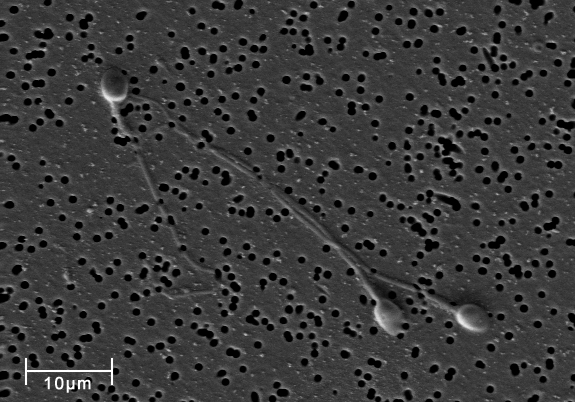
Spermatozoa-humanThe studies find that Clomid (Clomiphene) actually increases FSH levels, which stimulates increased sperm counts and preserves fertility.  This is important in the younger male age group who wish to preserve fertility.(1-9)

Addition of Aromatase Inhibitor

Dr. Johnson found that 16% of males treated with clomiphene developed elevated estradiol levels, and were prescribed an aromatase inhibitor, anastrazole.   This group of men tended to be obese.

Recent studies on clomiphene to raise testosterone: Click Here.

Repros Therapeutics has a patent on enclomiphene citrate, trade name Androxal, and has been funding controlled trials.

link for more enclomiphene  studies.  This article is part four of a series. Click here for Part One,  Part two,  Part Three.

Left Images courtesy of Wikimedia commons (10-11)

Jeffrey Dach MD

7450 Griffin Road Suite 190
Davie, Florida 33314
954-792-4663

Links and References

1) http://www.foxnews.com/health/2014/08/01/new-drug-could-treat-low-testosterone-with-fewer-side-effects/
New drug could treat low testosterone with fewer side effects
LiveScience  By Christopher Wanjek
2) http://patch.com/california/studiocity/the-best-testosterone-booster-for-men-with-low-testosterone-levels_93d136d2#.VBMfeVeyqjs
The Best Testosterone Booster for Men with Low Testosterone Levels.  Dr. Shira Miller
3) http://shiramillermd.com/blog/clomid-men-testosterone-alternative.html
Clomiphene Citrate (Clomid) - A Testosterone Therapy Alternative for Men with Low Testosterone Levels Dr. Shira Miller
4) http://peaktestosterone.com/clomid_testosterone.aspx
Clomid and Testosterone
---------------------------
5) http://press.endocrine.org/doi/abs/10.1210/endo-meetings.2014.RE.3.MON-0017
Endocrine Society's 96th Annual Meeting and Expo, June 21–24, 2014 - Chicago
Clomiphene Citrate in Anabolic Steroid Users: A Retrospective Review  Mirjana Pavlic1 and Richard Arthur Bebb2
1University of British Columbia, Vancouver, Canada
2Univ of British Columbia, Vancouver, Canada
Date of Presentation: June, 2014
This is the first larger retrospective case series to demonstrate clear benefit of clomiphene in restoring HPG axis in AAS users.
6) http://www.ncbi.nlm.nih.gov/pubmed/23530575
J Sex Med. 2013 Jun;10(6):1628-35. doi: 10.1111/jsm.12116. Epub 2013 Mar 26.
Oral enclomiphene citrate stimulates the endogenous production of testosterone and sperm counts in men with low testosterone: comparison with testosterone gel.
Kaminetsky J1, Werner M, Fontenot G, Wiehle RD.
Clomiphene citrate is employed off-label in men who have low testosterone and for the restoration of sperm counts in men who have used exogenous testosterone. Clomiphene is a mixture of two diastereoisomers: zuclomiphene and enclomiphene. We evaluated enclomiphene citrate in men with secondary hypogonadism.
AIM:Our aim was to compare oral enclomiphene citrate as an alternative to topical testosterone.
MAIN OUTCOME MEASURES:Blood levels of total testosterone (TT), estradiol, follicle-stimulating hormone (FSH), luteinizing hormone (LH), sex hormone binding globulin, thyroid stimulation hormone, prolactin, and insulin-like growth factor 1 IGF-1 were measured at certain times after treatment with each agent. Sperm parameters were determined at the same visits. Free testosterone (FT) was calculated.
METHODS:This was a proof-of-principle, randomized, open-label, fixed dose, active-control, two-center phase IIB study in 12 men with secondary hypogonadism treated previously with topical testosterone.
RESULTS:After discontinuation of topical testosterone, morning TT values averaged 165 ± 66 pg/dL. After 3 months, there was a significant rise in men receiving enclomiphene citrate and gel that was sustained for 3 months. At 6 months, TT levels were 545 ± 268 and 525 ± 256 pg/dL for groups receiving the gel and enclomiphene citrate, respectively. Only men in the enclomiphene citrate group demonstrated increased LH and FSH. TT decreased one month posttreatment to pretreatment values. Enclomiphene citrate elevated sperm counts in seven out of seven men at 3 months and six out of six men at 6 months with sperm concentrations in the 75-334 × 10(6) /mL range. The gel was ineffective in raising sperm counts above 20 × 10(6) /mL for all five men at 3 months and raised counts in only two or five men at 6 months. At follow-up, only enclomiphene citrate treatment was associated with elevated sperm counts.
CONCLUSIONS:Enclomiphene citrate increased testosterone and sperm counts. Concomitant changes in LH and FSH suggest normalization of endogenous testosterone production and restoration of sperm counts through the hypothalamic-pituitary-testicular axis.
7) http://www.ncbi.nlm.nih.gov/pubmed/24657837
J Urol. 2014 Sep;192(3):875-9. doi: 10.1016/j.juro.2014.03.089. Epub 2014 Mar 21.   Testosterone supplementation versus clomiphene citrate for hypogonadism: an age matched comparison of satisfaction and efficacy.
Ramasamy R1, Scovell JM1, Kovac JR1, Lipshultz LI2.
We compared satisfaction and treatment efficacy in men with symptomatic hypogonadism who received clomiphene citrate or testosterone supplementation therapy.
MATERIALS AND METHODS:  Men treated with clomiphene citrate, or testosterone injections or gels for symptomatic hypogonadism (total testosterone less than 300 ng/dl) reported satisfaction with the current treatment regimen using the qADAM questionnaire.
RESULTS:  A total of 93 men on testosterone injections (31) or gels (31), or clomiphene citrate (31) were age matched from a retrospective cohort of 1,150 on testosterone supplementation therapy. We compared men who received testosterone supplementation therapy to 31 not on such therapy, who served as controls. Median serum testosterone increased from pretreatment levels in all men regardless of therapy with clomiphene citrate, and testosterone injections and gels (from 247 to 504, 224 to 1,104 and 230 to 412 ng/dl, respectively, p <0.05). Final median serum total testosterone in men on clomiphene citrate (504 ng/dl) was lower than in men receiving testosterone injections (1,014 ng/dl, p <0.01) but similar to that in men on testosterone gels (412 ng/dl, p = 0.31). Despite different serum testosterone levels men on all 3 therapies reported similar satisfaction on qADAM, including a score of 35 for clomiphene citrate, 39 for testosterone injections, 36 for testosterone gels and 34 for control treatment (p >0.05). Men receiving testosterone injections reported greater libido than men on clomiphene citrate (4 vs 3, p = 0.04) or testosterone gels (4 vs 3, p = 0.04), or controls (4 vs 3, p <0.01).
CONCLUSIONS:  Testosterone supplementation regimens and clomiphene citrate are efficacious for improving serum total testosterone. No difference in overall hypogonadal symptoms was noted among men on any testosterone supplementation therapy. Despite lower serum total testosterone, men on clomiphene citrate and testosterone gels reported satisfaction similar to that of men treated with testosterone injections.
8) http://www.ncbi.nlm.nih.gov/pubmed/23875626
BJU Int. 2013 Jul 12. doi: 10.1111/bju.12363. [Epub ahead of print]
Testosterone Restoration by Enclomiphene Citrate in Men with Secondary Hypogonadism: Pharmacodynamics and Pharmacokinetics.
Wiehle R1, Cunningham GR, Pitteloud N, Wike J, Hsu K, Fontenot GK, Rosner M, Dwyer A, Podolski J.
To determine the pharmacodynamic (PD) profile of serum total testosterone levels (TT) and luteinizing hormone (LH) in men with secondary hypogonadism following initial and chronic daily oral doses of enclomiphene citrate in comparison to transdermal testosterone. To determine the effects of daily oral doses of enclomiphene citrate (Androxal®) in comparison to transdermal testosterone on other hormones and markers in men with secondary hypogonadism.
PATIENTS AND METHODS:This was a randomized, single blind, two-center phase II study to evaluate three different doses of enclomiphene citrate (6.25mg, 12.5mg and 25 mg Androxal®), versus AndroGel®, a transdermal testosterone, on 24-hour LH and TT in otherwise normal healthy men with secondary hypogonadism. Forty-eight men were enrolled in the trial (ITT Population), but 4 men had T levels >350 ng/dL at baseline. Forty-four men completed the study per protocol (PP population). All subjects enrolled in this trial had serum TT in the low range (<350 ng/dL) and had low to normal LH (<12 IU/L) on at least two occasions. TT and LH levels were assessed each hour for 24 hours to examine the effects at each of three treatment doses of enclomiphene versus a standard dose (5 grams) of transdermal testosterone (AndroGel). In the initial profile TT and LH were determined in a naïve population following a single initial oral or transdermal treatment (Day 1). This was contrasted to that seen after six weeks of continuous daily oral or transdermal treatment (Day 42). The pharmacokinetics of enclomiphene was performed in a select subpopulation. Serum samples were obtained over the course of the study to determine levels of various hormones and lipids.
RESULTS:After six weeks of continuous use, the mean ± SD concentration of TT at Day 42 C0hrTT, was 604 ± 160 ng/dL for men taking the highest of dose of enclomiphene citrate (enclomiphene, 25 mg daily) and 500 ± 278 ng in those men treated with transdermal testosterone. These values were higher than Day 1 values but not different from each other (p = 0.23, T-test). All three doses of enclomiphene increased C0hrTT, CavgTT, CmaxTT, CminTT and CrangeTT. Transdermal testosterone also raised TT, albeit with more variability, and with suppressed LH levels. The patterns of TT over 24 hour period following six weeks of dosing could be fit to a non-linear function with morning elevations, mid-day troughs, and rising night-time levels. Enclomiphene and transdermal testosterone increased levels of TT within two weeks, but they had opposite effects on FSH and LH Treatment with enclomiphene did not significantly affect levels of TSH, ACTH, cortisol, lipids, or bone markers. Both transdermal testosterone and enclomiphene citrate decreased IGF-1 levels (p<0.05) but suppression was greater in the enclomiphene citrate groups.
CONCLUSIONS:Enclomiphene citrate increased serum LH and TT; however, there was not a temporal association between the peak drug levels and the Cmax levels LH or TT. Enclomiphene citrate consistently increased serum TT into the normal range and increased LH and FSH above the normal range. The effects on LH and TT persisted for at least one week after stopping treatment.
9) http://www.ncbi.nlm.nih.gov/pubmed/24902614
J Sex Med. 2014 Sep;11(9):2302-7. doi: 10.1111/jsm.12592. Epub 2014 Jun 5.
Predicting biochemical response to clomiphene citrate in men with hypogonadism.
Mazzola CR1, Katz DJ, Loghmanieh N, Nelson CJ, Mulhall JP.
Clomiphene citrate (CC) is as an effective treatment for men with hypogonadism (HG). Identifying the ideal candidate for this strategy has to date largely relied upon a patient's interest in preservation of testicular volume and spermatogenesis.
AIM:This analysis was undertaken to define if predictors existed of robust elevation in serum testosterone (T) levels in response to CC.
METHODS:Seventy-six men with a diagnosis of HG (two separate early morning total T levels <300 ng/dL) opting for CC therapy constituted the study population. Demographic, comorbidity data, and physical and laboratory characteristics were recorded. Laboratory tests were conducted 4 weeks after commencement and every 6 months thereafter. Multivariable analysis was conducted to define if predictors of biochemical response could be identified. Parameters included in the model were patient age, mean testicular volume, varicocele presence, and baseline total T, free T, and luteinizing hormone (LH) levels.
MAIN OUTCOME MEASURE:Successful biochemical response to CC, defined as an increase of ≥200 ng/dL in total T level at ≥6 months after commencing CC, was the main outcome measure.
RESULTS:Mean age was 46 ± 22 years. Mean pretreatment testicular volume was 16 ± 8 mL. Mean baseline T and LH levels were 179 ± 72 ng/dL and 7.2 ± 5.6 IU/mL, respectively. Mean total T on CC was 467 ± 190 ng/dL. Forty-seven patients (62%) met the responder definition, with a mean increase in total T levels of 302 ± 76 (204-464) ng/dL. In CC responders, the mean LH rise was 5.6 ± 3.1 IU/mL. On multivariable analysis, factors predictive of CC response included: mean testicular volume (adjusted [adj.] r = 0.32, P < 0.01), mean testicular volume ≥14 mL (hazard ratio [HR] 2.2, P < 0.01), LH level (adj. r = 0.48, P < 0.001), and LH level ≤6 IU/mL (HR 3.5, P < 0.001).
CONCLUSION:These data indicate that two thirds of men with HG meet a robust responder definition and that pretreatment testicular volume and LH levels (in continuous and dichotomized fashions) are predictors of response. Mazzola CR, Katz DJ, Loghmanieh N, Nelson CJ, and Mulhall JP. Predicting biochemical response to clomiphene citrate in men with hypogonadism. J Sex Med 2014;11:2302-2307.
Images
10) http://commons.wikimedia.org/wiki/File:US_Navy_070504-N-0995C-072_Chief_Mineman_Kevin_Sperling_appears_as_the_guest_body_builder_ARL HARBOR, Hawaii (May 4, 2007) - Chief Mineman Kevin Sperling appears as the guest body builder at an Armed Forces body building competition held at Sharkey's Theatre at Naval Station Pearl Harbor. Sperling is an assistant 3-M coordinator aboard guided-missile destroyer USS Hopper (DDG 70). U.S. Navy photo by Mass Communication Specialist Seaman Eric J. Cutright (RELEASED)  Date 4 May 2007
11) http://commons.wikimedia.org/wiki/File:Spermatozoa-human-3140x.jpg
English: Micrograph by scanning electron microscope (SEM) of human sperm .  Date 14 October 2010

Jeffrey Dach MD
7450 Griffin Road Suite 190
Davie, Florida 33314
954-792-4663
http://www.jeffreydachmd.com
http://www.drdach.com/
http://www.naturalmedicine101.com/
http://www.truemedmd.com/
http://www.bioidenticalhormones101.com/

For Disclaimer: Click Here 
The reader is advised to discuss the comments on these pages with  his/her personal physicians and to only act upon the advice of his/her personal physician. Also note that concerning an answer which appears as an electronically posted question, I am NOT creating a physician — patient relationship.
Although identities will remain confidential as much as possible, as I can not control the media, I can not take responsibility for any breaches of confidentiality that may occur.

Link to this article

Copyright (c) 2014 Jeffrey Dach MD All Rights Reserved
This article may be reproduced on the internet without permission, provided there is a link to this page and proper credit is given.

FAIR USE NOTICE: This site contains copyrighted material the use of which has not always been specifically authorized by the copyright owner. We are making such material available in our efforts to advance understanding of issues of significance. We believe this constitutes a ‘fair use’ of any such copyrighted material as provided for in section 107 of the US Copyright Law. In accordance with Title 17 U.S.C. Section 107, the material on this site is distributed without profit to those who have expressed a prior interest in receiving the included information for research and educational purposes.
Serving Areas of: Hollywood, Aventura, Miami, Fort Lauderdale, Pembroke Pines, Miramar, Davie, Coral Springs, Cooper City, Sunshine Ranches, Hallandale, Surfside, Miami Beach, Sunny Isles, Normandy Isles, Coral Gables, Hialeah, Golden Beach ,Kendall,sunrise, coral springs, parkland,pompano, boca raton, palm beach, weston, dania beach, tamarac, oakland park, boynton beach, delray,lake worth,wellington,plantation

Friday, April 26, 2013

Clomiphene Adverse Side Effects Part Three by Jeffrey Dach MD


Branch_retinal_vein_occlusionClomiphene Clomid Adverse Side Effects Part Three

by Jeffrey Dach MD

This is part three of a series,
Click Here for Part One
Click Here for Part Two

The off-label use of clomiphene tablets in young males to relieve symptoms of low testosterone is becoming more popular because it preserves fertility, and is less expensive and more convenient than testosterone injections.  Best results are obtained in males of child bearing ages (30 – 50 yrs of age) with hypothalamic dysfunction, (ie. low FSH/LH, and good testicular reserve which can respond to FSH/LH stimulation)  Before starting clomiphene,  the patient should be conversant with the adverse effects of treatment.  Above left image: Retina of the left eye shows retinal vein occlusion resulting in hemorrhages and exudates  marked by Green Arrows, courtesy of wikimedia commons.

Review of the Medical Literature on Adverse Effects of Clomiphene

Dr  Viola from Capetown South Africa reviewed the medical literature on common adverse effects of clomiphene treatment, mostly in women.  She found 35 articles on the topic and published her report in 2011. She found that blurred visual and other visual effects were most commonly reported about 1.5% of the time.(1)

“Visual adverse events with the use of CC in clinical studies was reported as 1.5%. These include blurred vision, photophobia, diplopia, scotomata, phosphenes  and periphlebitis.”(1)

Dr. Viola also reported on central retinal vein occlusion as an adverse effect of clomipene.(1)

Central Retinal Vein Occlusion in a Male

Although a number of reports of retinal vein occlusion have been reported in women using clomiphene (Clomid) as a fertility treatment to induce ovulation, only one is reported in a 35 year old male undergoing fertility treatment with Clomiphene.  This male patient had an underlying inherited thrombophilia, with Factor V Leiden and MTHFR polymorphism.(2)  His retinal vein occlusion, due to thrombosis of the vein,  was treated with Plavix (clopidogrel) with recovery.  Dr Politou suggests young men should be screened for Factor V Leiden before starting Clomiphene.

Visual Disturbances-Blurred Vision

Dr. Purvin from Methodist Hospital in Indiana reported on visual disturbances from Clomiphene in three women undergoing fertility treatment for 4-12 months.(9)

” All three patients experienced prolonged afterimages (palinopsia), shimmering of the peripheral field, and photophobia while undergoing treatment with clomiphene. The results of the neuro-ophthalmologic examination and electrophysiologic studies were normal in all three patients. Unlike previously reported cases, visual symptoms did not resolve on cessation of treatment. Patients remain symptomatic from 2 to 7 years after discontinuing treatment with the medication.”(9)
“The most common side-effect is without question blurred vision; while this may be a problem for some Clomid users it will dissipate once use is discontinued. “(9)

One case of bilateral uveitis (inflammation of the eye) was described in a 30 year old female on clomiphene.(8) One case of elevated liver enzymes was reported (7)

Psychotic Reaction

In women undergoing fertility treatment with prolonged high dose Clomiphene, various central nervous system adverse effects have been reported including induction of psychosis, nervousness, sleeplessness, headaches, visual disturbances, vertigo.(3,4,5)

Psychological Effects on Mood

In a 2005, large self-reported survey of women on Clomiphene and HMG adverse psychological effects were reported including, Irritability, mood swings, and feeling down.(6)

Estrogen and HyperCoagulable State

Most adverse effects of clomiphene are reported for female fertility treatment using high dose Clomiphene. I would speculate that most of the adverse effects are due to high estrogen levels known to cause hypercoagulable state.(10,11)

Anastrazole to Keep Estrogen Levels Low and Prevent Hypercoagulation.

Adverse effects from off-label use of clomiphene is less commonly reported in the medical literature in males than in females, possibly because of the lower dosage used. Females dosage is 50-200 mg per day, while for males, we use the lower dosage of 12.5 mg every other day up to 25 mg per day.

Estrogen and Hypercoagulable State

For female patients undergoing fertility treatment to induce ovulation, elevated estrogen is part of the desired outcome.   Estrogen levels may rise by a factor of one hundred (100 times higher than pre-treatment levels), inducing a hypercoagulable state.(10,11)  Quite the opposite in males, clomiphene induced elevated estrogen is an undesirable side effect, preventable with an aromatase inhibitor (anastrazole).

In males, central retinal vein occlusion with underlying inherited thrombophila mutation has been reported.(2)  The authors say the causal mechanism is unknown.  I would differ, and suggest the cause is high estrogen induced by clomiphene stimulation.  High estrogen causes a hypercoagulable state.(10,11) An aromatase inhibitor (anastrazole) prevents the high estrogen level, and therefore prevent the rare thrombotic complication, such as the retinal vein occlusion in the inherited thrombophilia male patient. (2)  I would suggest a prudent practice would be to use an aromatase inhibitor with the clomiphene.

Articles with Related Interest:
This is part three of a series,
Click Here for Part One
Click Here for Part Two

Links and References:

Retinal Vein Occlusion and other visual disturbances

1) http://www.karger.com/Article/FullText/319497……
http://content.karger.com/produktedb/produkte.asp?DOI=000319497&typ=pdf
Gynecol Obstet Invest 2011;71:73–76 Fulltext PDF (120 Kb)
Review   Association between Clomiphene Citrate and Visual Disturbances with Special Emphasis on Central Retinal Vein Occlusion: A Review
Viola M.I.a · Meyer D.b · Kruger T. Department of Obstetrics and Gynecology, Reproductive Medicine Unit, Stellenbosch University and Vincent Pallotti Hospital, Cape Town,bDivision of Ophthalmology, Stellenbosch University, Tygerberg, South Africa
To determine whether clomiphene citrate (CC) can be implicated as a cause for central retinal vein occlusion (CRVO) and other visual disturbances.
For this systematic review, we performed a search of the following databases: PubMed (1976 to November 2009), Medline Plus 2009, Cochrane Library (1996 to November 2009), Google and Google Scholar (1996 to November 2009).
Thirty-five relevant titles (25 full papers and 10 abstracts) were identified and read by authors. No review has been published in the literature. The publications included describe adverse effects with clomid and selective estrogen receptor modulators and in particular visual disturbances. The population consisted of infertility patients under ovulation induction with CC. The main outcome measures were loss of vision due to CRVO and other visual changes.
RESULTS: CC may predispose to CRVO, but further trials are clearly needed in this area.
CONCLUSION:Physicians should be aware of the potential risk of CC, especially in patients with associated risk factors for CRVO. If visual disturbances occur, therapy should be terminated and the patient referred for specialist ophthalmic care.
Retinal vein occlusion is due to thrombosis of retinal veins (central, hemi or branch) and has been associated with cardiovascular risk factors [2] . However, the pathogenesis and management of this disorder remains somewhat
of an enigma [3] . It is a complication not commonly seen by the gynecologists, but they should be aware of the condition in fertility patients undergoing ovulation induction with clomiphene citrate (CC).
Other CC adverse effects are [4–6] : ovarian enlargement, vasomotor flashes,
nausea, vomiting, breast discomfort, headache, abnormal
vaginal bleeding, visual symptoms, weight gain, shortness of breath; long term use may increase the risk of ovarian cancer and multiple pregnancy [7] .
Other less common side effects have been described:  acute pancreatitis without hypertriglyceridemia [8] ,  myocardial infarction[9] ,  hypertriglyceridemia [10] ,  deep vein thrombosis[11] ,  pulmonary embolism [12] .
The incidence of visual adverse events with the use of CC in clinical studies was reported as 1.5%. These include blurred vision, photophobia, diplopia, scotomata, phosphenes [6] and periphlebitis [18] .
Another case of CRVO was reported due to CC in a 35-year-old man treated for infertility. The patient was heterozygous for the factor V Leiden mutation and the
MTHFR polymorphism, but probably the event was precipitated due to the presence of CC [24] .

Central Retinal Vein Occlusion – Male Factor V leiden carrier


2) http://www.ncbi.nlm.nih.gov/pubmed/19371211
Genet Test Mol Biomarkers. 2009 Apr;13(2):155-7.
Central retinal vein occlusion secondary to clomiphene treatment in a male carrier of factor V Leiden. Politou M, Gialeraki A, Merkouri E, Travlou A, Baltatzis S.
Abstract  We report a case of a 35-year-old previously healthy man treated with clomiphene for infertility, who presented with blurred vision in his left eye due to ocular vein occlusion as documented by fluorescein angiography. The patient was heterozygous for the factor V Leiden (FV Leiden) mutation and for the 1298 A-C polymorphism of the methylene-tetrahydrofolate reductase (MTHFR) gene. He was treated with clopidogrel (plavix) and is now free of symptoms. Because congenital thrombophilia is a moderate risk factor for central retinal vein occlusion and the administration of clomiphene may trigger this process, we recommend screening of young patients for FV Leiden before clomiphene treatment.
Other side effects in Women on Clomid
Psychotic Reaction-
central nervous symptoms (nervousness, sleeplessness, headaches, visual disturbances, vertigo)

3) http://www.ncbi.nlm.nih.gov/pubmed/9159429
http://humrep.oxfordjournals.org/content/12/4/706.full.pdf
Human Reproduction vol.12 no.4 pp.706–707, 1997
Clomiphene citrate as a possible cause of a psychotic reaction during infertility treatment  Department of Obstetrics and Gynecology, DRK-Kliniken Westend, Berlin, Germany.
Secondary side-effects often occur in women undergoing hormonal stimulation treatment with clomiphene citrate. In general 10.4% of women experience hot flushing, 5.5% have complaints caused by enlargement of the ovaries and 3.5% experience central nervous symptoms (nervousness, sleeplessness, headaches, visual disturbances, vertigo).
During ovarian stimulation with clomiphene citrate for in-vitro fertilization, a 32 year old patient developed psychotic symptoms, commencing 3 days after initiation of treatment. Hospitalization in the psychiatric ward became necessary when severe formal and rational thought disturbances arose together with perceptory and sensory delusions. Under neuroleptic treatment the symptoms improved. Nevertheless, follow-up psychiatric care on an outpatient basis was deemed necessary. The infertility treatment was continued with human menopausal gonadotrophin stimulation. Psychiatric instability occurred neither at this point nor during the 2 year follow-up observation period. Both an exogenous psychosis (ICD F23.9) as well as the exacerbation of an endogenous psychosis (ICD F29) may be considered for the differential diagnosis. The stimulation with clomiphene citrate in connection with the physical and psychic stress of the infertility therapy can be regarded as the trigger factor. For patients with evidence of psychiatric illness in their case history, ovulation-inducing substances such as clomiphene citrate should be implemented with particular care.

4) http://www.ncbi.nlm.nih.gov/pubmed/2357929
Dtsch Med Wochenschr. 1990 Jun 15;115(24):936-9.
[Psychotic illness during treatment with clomifen].
[Article in German]  Kapfhammer HP, Messer T, Hoff P.
psychiatrische Klinik und Poliklinik, Universität München.
Psychotic illness recurred in a 25-year-old manic-depressive woman during anti-infertility treatment with clomiphene citrate. The symptoms of this episode (disturbance of consciousness, psychomotoric abnormalities, paranoid-hallucinatory syndrome with transient neurological dysfunctions) differed significantly from previous and subsequent psychotic patterns. No organic cause other than treatment with clomiphene could be discovered despite intensive diagnostic efforts. The pathogenetic role of clomiphene is supported by comparable findings in certain post-partum psychoses. Women with a history of psychiatric disorders are especially at risk.

5) http://www.ncbi.nlm.nih.gov/pmc/articles/PMC1862932/
Can Med Assoc J. 1982 January 15; 126(2): 118.
Clomiphene citrate as a possible cause of psychosis.
F. E. Cashman and R. Sheppard

6) http://www.ncbi.nlm.nih.gov/pubmed/16050534
J Psychosom Obstet Gynaecol. 2005 Jun;26(2):93-100.
Psychological side-effects of clomiphene citrate and human menopausal gonadotrophin.  Choi SH, Shapiro H, Robinson GE, Irvine J, Neuman J, Rosen B, Murphy J, Stewart D. Women’s Health Program, University Health Network, University of Toronto, Ontario, Canada.
This study evaluated the psychological side-effects of clomiphene citrate (CC) and hMG in women undergoing fertility treatment.
METHOD: This study was a cross-sectional, self-report survey of 454 women at various stages of treatment for infertility. At the time of study, 139 women had not taken fertility drugs and 315 women had taken one or more cycles of CC or hMG. All subjects were asked to complete the State-Trait Anxiety Inventory (STAI). Women taking CC or hMG were also asked to complete a self-administered questionnaire on the side-effects of their medications.
RESULT(S):  In the CC group (n = 162) and hMG group (n = 153), 77.8% (126 of 162) and 94.8% (145 of 153) reported at least one side-effect, respectively. Irritability, mood swings, feeling down, and bloating had high frequencies in both CC and hMG groups, with a higher mean number of side effects reported in the hMG group (4.4 +/- 3.7 for the CC group and 6.8 +/- 3.7 for the hMG group, p < 0.001). There was no significant difference among the CC, hMG and no medication groups for mean state and trait anxiety scores. However, there were significant differences among the three side-effect groups (those who reported 1 to 4, 5 to 7, and more than 7 side-effects) for the mean scores of state (df = 2, F = 8.7, p < 0.001) and trait (df = 2, F = 11.9, p < 0.001) anxiety in women taking fertility drugs.
CONCLUSION(S):  Women taking CC or hMG reported high frequencies of psychological side-effects, and should be advised of these before treatment.

Elevated LFT’s

7) http://www.ncbi.nlm.nih.gov/pubmed/17583249
J Reprod Med. 2007 May;52(5):437-8.
Transaminitis after treatment with clomiphene citrate: a case report.
Mitchell C, Gottlieb L. Department of Obstetrics and Gynecology, University of Washington, Box 356460, Seattle, WA 98195-6460, USA.
Clomiphene citrate is widely used to induce ovulation in infertile women with anovulation. The manufacturer reports transaminitis as a possible side effect, but no case reports were found on a literature search.
A 30-year-old, Somali woman, gravida 3, para 1021, was referred for evaluation after trying unsuccessfully to conceive for 19 months. She was diagnosed with unexplained infertility and prescribed clomiphene citrate for ovulation induction. The patient took the medication in 2 consecutive cycles and each time developed intense right upper quadrant pain. During the second episode she presented to the emergency room with transaminitis. Acute and chronic viral hepatitis were ruled out, and she had not ingested any other medications; ultimately, no other etiology was discovered. The transaminitis resolved over 2 months and, in the absence of further treatment with clomiphene citrate, did not recur.
Transaminitis is a rare complication of treatment with clomiphene citrate. Liver function testing is warranted in patients with new-onset right upper quadrant pain after starting treatment with clomiphene citrate.
Uveititis

8) http://www.ncbi.nlm.nih.gov/pubmed/18379937
Ocul Immunol Inflamm. 2008 Jan-Feb;16(1):23-4.
Bilateral anterior uveitis associated with clomiphene citrate.Myers TD, Fraunfelder FW.  Source Casey Eye Institute, 3375 SW Terwilliger Blvd, Portland, OR 97239-4197, USA.
To report a case of bilateral anterior uveitis associated with ovulation induction therapy using clomiphene citrate.DESIGN:Retrospective case review.A single patient who developed uveitis while taking clomiphene citrate is described.
RESULTS:A 30-year-old woman with polycystic ovary syndrome developed bilateral anterior uveitis during ovulation induction therapy. Results of laboratory studies were normal and the patient was treated with topical therapy. Upon rechallenge with clomiphene 3 months later, she again developed bilateral anterior uveitis.
CONCLUSIONS:Ovulation induction therapy with clomiphene citrate may precipitate uveitis.
Visual Disturbances

9) http://www.ncbi.nlm.nih.gov/pubmed/7710399
Arch Ophthalmol. 1995 Apr;113(4):482-4.
Visual disturbance secondary to clomiphene citrate. Purvin VA. Source Midwest Eye Institute, Methodist Hospital of Indiana, Indianapolis, USA.
To identify a distinctive constellation of persistent visual abnormalities secondary to treatment with clomiphene citrate.
DESIGN:  Description of the clinical findings in three patients with visual disturbance secondary to clomiphene treatment.
SETTING:  A neuro-ophthalmology referral center.
PATIENTS: Three women aged 32 to 36 years treated for infertility with clomiphene for 4 to 15 months.
RESULTS:  All three patients experienced prolonged afterimages (palinopsia), shimmering of the peripheral field, and photophobia while undergoing treatment with clomiphene. The results of the neuro-ophthalmologic examination and electrophysiologic studies were normal in all three patients. Unlike previously reported cases, visual symptoms did not resolve on cessation of treatment. Patients remain symptomatic from 2 to 7 years after discontinuing treatment with the medication.
CONCLUSIONS:  Treatment with clomiphene can cause prolonged visual disturbance. Patients who develop such symptoms should be advised that continued administration may cause irreversible changes. Women with characteristic visual symptoms should be questioned about past use of clomiphene.
The most common side-effect is without question blurred vision; while this may be a problem for some Clomid users it will dissipate once use is discontinued. Beyond vision some may experience hot flashes or even abdominal discomfort but both are extremely rare as these negative effects will occur in less than 1% of those who use Clomid.

10) http://www.ncbi.nlm.nih.gov/pubmed/1761659
Hum Reprod. 1991 Aug;6(7):925-7.
Does ovarian stimulation for in-vitro fertilization induce a hypercoagulable state?
Aune B, Høie KE, Oian P, Holst N, Osterud B.
Source  Department of Obstetrics and Gynaecology, University of Tromsø, Norway.
Effects on blood coagulation and fibrinolytic activity during ovarian stimulation for in-vitro fertilization (IVF) were examined in 12 women. Blood samples were taken prior to hormonal stimulation (days 2-3 of the menstrual cycle, mean serum oestradiol concentration 0.16 nmol/l) and the day after ovulation induction with human chorionic gonadotrophin (HCG) (days 10-12, mean serum oestradiol concentration 5.35 nmol/l). We measured whole blood clotting time, whole blood clot lysis time, plasma fibrinogen, factor VII and antithrombin III. The whole blood clotting time was slightly, but not significantly shortened after ovarian stimulation. A significant rise in plasma fibrinogen (P less than 0.001) and reduction in antithrombin III (P less than 0.001) were observed, whereas no change in factor VII was found. The blood fibrinolytic activity was significantly reduced as evaluated by an increase in the clot lysis time (P less than 0.02). These results indicate that ovarian stimulation for IVF may create a state of hypercoagulability.

11) http://www.ncbi.nlm.nih.gov/pmc/articles/PMC2804893/
100-fold rise in estradiol from fertility treatment increases
Thromb Res. 2009 September; 124(4): 505–507.
The effect of high circulating estradiol levels on thrombin generation during in vitro fertilization  Kathleen E. Brummel-Ziedins,*‡ Matthew Gissel,* Charles Francis,† John Queenan,# and Kenneth G. Mann** Department of Biochemistry, University of Vermont, Colchester, VT, USA† Department of Medicine, University of Rochester Medical Center, Rochester, NY,

12) Image of Central Retinal Vein Occlusion
http://upload.wikimedia.org/wikipedia/commons/7/78/Branch_retinal_vein_occlusion.jpg
English: Color fundus photograph of the left eye shows occlusion of the superotemporal branch of retinal vein resulting in intraretinal hemorrhages and retinal exudates in the corresponding sector of retina.
Date     14 August 2012
Source     License : http://www.biomedcentral.com/1471-2415/11/24 , Picture : http://www.biomedcentral.com/1471-2415/11/24/figure/F1
Author     Ku C Yong, Tan A Kah, Yeap T Ghee, Lim C Siang and Mae-Lynn C Bastion, Department of Ophthalmology, Universiti Kebangsaan Malaysia Medical Centre (UKMMC) and Universiti Malaysia Sarawak (UNIMAS), Kuala Lumpur, Malaysia.

Jeffrey Dach MD
7450 Griffin Road, Suite 190
Davie, Fl 33314
954-792-4663
www.jeffreydach.com
www.drdach.com
www.naturalmedicine101.com
www.bioidenticalhormones101.com
www.truemedmd.com
www.bioidenticalmds.com

Click Here for: Dr Dach’s Online Store for Pure Encapsulations Supplements
Click Here for: Dr Dach’s Online Store for Nature’s Sunshine Supplements
Web Sites and Discussion Board Links:
jdach1.typepad.com/blog/
disc.yourwebapps.com/Indices/244124.html
disc.yourwebapps.com/Indices/244066.html
disc.yourwebapps.com/Indices/244067.html
disc.yourwebapps.com/Indices/244161.html
disc.yourwebapps.com/Indices/244163.html
health-forums.1
health-forums.2
Disclaimer click here: www.drdach.com/wst_page20.html

The reader is advised to discuss the comments on these pages with his/her personal physicians and to only act upon the advice of his/her personal physician. Also note that concerning an answer which appears as an electronically posted question, I am NOT creating a physician — patient relationship. Although identities will remain confidential as much as possible, as I can not control the media, I can not take responsibility for any breaches of confidentiality that may occur.

Link to this article:http://wp.me/p3gFbV-iS

 http://bioidenticalmds.blogspot.com/2013/04/clomiphene-adverse-side-effects-part.html


Copyright (c) 2013 Jeffrey Dach MD All Rights Reserved. This article may be reproduced on the internet without permission, provided there is a link to this page and proper credit is given.

FAIR USE NOTICE: This site contains copyrighted material the use of which has not always been specifically authorized by the copyright owner. We are making such material available in our efforts to advance understanding of issues of significance. We believe this constitutes a ‘fair use’ of any such copyrighted material as provided for in section 107 of the US Copyright Law. In accordance with Title 17 U.S.C. Section 107, the material on this site is distributed without profit to those who have expressed a prior interest in receiving the included information for research and educational purposes.