Showing posts with label Testosterone. Show all posts

Sunday, April 5, 2015

Testosterone for Dry Eye Syndrome JEffrey Dach MDTestosterone for  Dry Eye Syndrome

by Jeffrey Dach MD

Mrs. B was 58 years old with typical menopausal symptoms of night sweats and hot flashes, and came to see me because of dry itchy, red eyes.  The lids sometimes swell because of the irritation.  Over the years, Mrs B had been to numerous eye doctors who gave her various drops to lubricate the eye, antibiotic drops and steroid drops.  She has been given instructions for cleaning and irrigating the eyes.  The eye drops seem to help somewhat but the irritation always returns whenever she stops them.  Lately, the condition is getting worse and nothing seems to help.

Above left image: courtesy of wikimedia commons, red arrow points to meibomian glands in edge of eye lid which secrete oil which lubricates the eye.

Low Testosterone Level

A routine hormone panel showed that Mrs B had low hormone levels, and her testosterone level was especially low. I explained to Mrs B that her dry eye syndrome was caused by low testosterone levels, and testosterone would help.

Cured With Testosterone, Surely You Must Be Joking, Doctor

Six week later, after starting her testosterone as sublingual drops, Mrs B reported her eyes were much better.  She also started a complete bioidentical hormone program. Mrs B's ophthalmologist, Dr H, was an old friend of mine and we would occasionally attend the same social functions.   At one of these social functions, Dr H approached to say that a patient (no name) reported that I had cured her dry eyes with testosterone, and surely you must be joking, Doctor.  His gesture and facial expression with his eyes rolling back were quite distinctive.


Testosterone for Dry Eyes in the Opthalmology Medical Literature

Apparently, Dr H is unaware of the supportive evidence in his own specialty medical journals.  We will look at a few of these supportive articles that recommend testosterone for evaporative dry eye syndrome.  About 5 million Americans have Dry Eye Syndrome caused by dysfunction of the lubricating glands, which are called the lacrimal and meibomian glands.  The small glands at the upper outer eye are the lacrimal glands, and the meibomian glands are located in the eye lid at the upper and lower edges (see diagram below).

Tears in the Lacrinmal System Testosterone Dry EyesLeft Image :Tear system: a. tear gland / lacrimal gland, b. superior lacrimal punctum, c. superior lacrimal canal, d. tear sac / lacrimal sac, e. inferior lacrimal punctum, f. inferior lacrimal canal,  g. nasolacrimal canal.

Dr David A Sullivan and Dry Eye Research

Much of the research on testosterone and dry eyes has been done by David A Sullivan at Schepens Eye Research Institute at Harvard Medical School.(4)

Dr Sullivan Research in Mouse Model Of Sjogren's

Dr. Sullivan's early work in the 1990's involved Sjogrens syndrome, and the discovery that women with Sjögren'ssyndrome are androgen-deficient causing meibomian gland dysfunction, tear film instability, and the evaporative dry eye characteristic Sjogren's, which is an autoimmune disorder. (1)  Sullivan published a study in 1991 which showed that testosterone inhibited the progression of autoimmune disease in the lacrimal glands mice with Sjogren's. His mouse model of Sjogren's showed that the testosterone suppressed the magnitude of lymphocyte infiltration in the lacrimal gland 22- to 46-fold.(6)

Lacrimal and Meibomian Glands Regulated by Testosterone

In a 1999 report, Sullivan suggested that androgens (testosterone) regulate both lacrimal and meibomian gland function, and suggest that eye drops containing testosterone may be safe and effective treatment for dry eyes in Sjögren's syndrome.(1)

Chalazion of the Meibomian Gland, Testosterone for Dry EyesLeft Image: Chalazion, obstructed, infected meibomian gland upper eye lid.  This image is useful to give you an idea of where the glands are locared in the lid.  There are 20 - 30 small Meibomian glands located along the edge of the upper and lower lid that secrete oil which lubricates the surface of the eye.  When one becomes obstructed, it swells up and is called a Chalazion. Treatment is to relieve the obstruction and allow drainage. Courtesy of wikimedia commons. 

Men on Testosterone Blockers Get Dry Eyes

In 2000,  Dr Sullivan reported that men taking testosterone blockers have dry eye syndrome.  Men on testosterone blocker drug treatment for prostate cancer were found to had poor quality of tear fluid.  This was demonstrated by analyzing the meibomian gland secretions.  Their dry eye symptoms included light sensitivity, painful and blurry eyes.  Sullivan said,"the use of anti-androgen pharmaceuticals was associated with significant changes in the relative amounts of lipids in meibomian gland secretions. Our findings indicate that chronic androgen deficiency is associated with meibomian gland dysfunction and dry eye." (2)

In 2001, Drs Worda and Nepp from Vienna Austria reported that topically administered androgen can restore the lipid phase of the tear film, and was useful in treatment of keratoconjunctivitis sicca, medical terms for Dry Eyes. (3)

Complete Insensitivity to Androgen and Dry Eyes

Next, Dr Sullivan turned his attention to a genetic disorder called Complete Insensitivity to Androgen (CIAS).  In this genetic disorder, the androgen receptor is nonfunctional, and subsequently, there is insensitivity to testosterone.  Without a functioning receptor, the normal activity of testosterone is completely blocked.

Dr Sullivan examined the tears (ie. Meibomian gland secretions), in women with CIAS and compared them to normal controls.  The patients with CIAS had alteration in the lipid fractions of tear fluid, ( ie meibomian gland secretions). This study was published in a 2002 report in Arch Ophthalmology (5).

Trans-Dermal Testostorone For Dry Eye Syndrome

In 2003, Dr Connor reported transdermal testosterone is safe and effective treatment for dry eye, with the post-menopausal females having the greatest relief of symptoms. (10)

Molecular Biology Mouse Studies of Gene Expression

In 2005, Dr Schirra et al studied the molecular biology of testosterone, and gene expression in the meibomian gland of mice. Dr Schirra reported that testosterone regulates the expression of more than 1500 genes in the mouse meibomian gland which serves to stimulate lipid and fatty acid metabolism in the lubricating eye fluid.(11)

The Evidence is Overwhelming
The sum total of the above evidence is overwhelming that testosterone plays a key role in production of oil, the lipid component for lubricating the eyes, and that testosterone deficiency is a treatable cause of dry eye syndrome.  The treatment is testosterone, a bioidentical hormone.

Omega 3 Fish Oil for Dry Eye Syndrome

Since the lubrication of the eye is an oily film, one might think that nutritional oil consumption to be of benefit in the disorder.  That is what Dr Rahul Bhargava found in a 2013 study in the Journal of Opthalmology.  Be careful to avoid the ethyl ester form of fish oil
An opthalmologist colleague reports good results with the following Omega 3 Fish Oil from PRNOmegaHealth

We also use the CO2 Super Critical Extract Omega Oil directly from Purecaps factory.
Medline List of studies showing use of Omega 3 Fish Oil Benefits Dry Eye Syndrome.
_______________________________________________
For Articles with Related content: Testosterone Information Menu
Jeffrey Dach MD
7450 Griffin Rd Suite 180/190
Davie, FL 33314
Phone: 954-792-4663
Facebook
Blog

Links and References

(1) http://www.ncbi.nlm.nih.gov/pubmed/10415627
Androgens and dry eye in Sjögren's syndrome.
Ann N Y Acad Sci. 1999 Jun 22;876:312-24. Sullivan DA et al.
Our results demonstrate that androgens regulate both lacrimal and meibomian gland function, and suggest that topical androgen administration may serve as a safe and effective therapy for the treatment of dry eye in Sjögren's syndrome.
(2)http://jcem.endojournals.org/cgi/content/abstract/85/12/4874
The Journal of Clinical Endocrinology & Metabolism Vol. 85, No. 12 4874-4882,2000
Effect of Androgen Deficiency on the Human Meibomian Gland and Ocular Surface.  Kathleen L. Krenzer, M. Reza Dana, M. David Ullman, Jennifer M. Cermak, Dorothy B. Tolls, James E. Evans and David A. Sullivan
Schepens Eye Research Institute (K.L.K., M.R.D., J.M.C., D.A.S.), Brigham and Women’s Hospital (M.R.D., J.M.C.), Department of Ophthalmology, Harvard Medical School
The purpose of this study was to determine whether the chronic use of antiandrogen medications leads to meibomian gland dysfunction, altered lipid profiles in meibomian gland secretions, decreased tear film stability, and evaporative dry eye.
Subjects taking antiandrogen therapy for prostatic indications, as well as age-related controls, were asked to complete a questionnaire that assessed dry eye symptoms and then were given a complete anterior segment examination. Moreover, meibomian gland secretions were obtained from each eye and analyzed by high-performance liquid chromatography/mass spectrometry for the relative content of cholesterol, cholesterol esters, wax esters, diglycerides, triglycerides, and specific molecular species in the diglyceride fraction.
Our results demonstrate that patients taking antiandrogen treatment, compared with age-related controls, had a:
1) significant increase in the frequency of appearance of tear film debris, an abnormal tear film meniscus, irregular posterior lid margins, conjunctival tarsal injection, and orifice metaplasia of the meibomian glands;
2) significant increase in the degree of ocular surface vital dye staining; 3) significant decrease in the tear film breakup time and quality of meibomian gland secretions; and
4) significant increase in the frequency of light sensitivity, painful eyes, and blurred vision.
In addition, the use of antiandrogen pharmaceuticals was associated with significant changes in the relative amounts of lipids in meibomian gland secretions. Our findings indicate that chronic androgen deficiency is associated with meibomian gland dysfunction and dry eye.
(3) http://www.ncbi.nlm.nih.gov/pubmed/11173183
Maturitas. 2001 Jan 31;37(3):209-12.
Treatment of keratoconjunctivitis sicca with topical androgen.
by Worda C, Nepp J, Huber JC, Sator MO. Department of Obstetrics and Gynecology, Division of Gynecological Endocrinology and Reproductive Medicine, Vienna University Hospital, Währinger Gürtel 18-20, 1090, Vienna, Austria.
OBJECTIVE: Androgens have been reported to influence lipid production of sebaceous glands and even many ocular tissues. The effect of topical androgen therapy on a 54-year-old patient with keratoconjunctivitis sicca (KCS) and decreased lipid phase of the tear film is reported.
METHODS: For assessment of the lipid phase of the tear film, break up time (BUT) and lipid layer thickness (LLT) were monitored during 6 months before treatment as well as 3 months while using a daily topical androgen therapy.
RESULTS: During the topical androgen therapy the pathological lipid phase of the tear film was completely restored indicated by the normalisation of the values of BUT and LLT.
CONCLUSION: These findings are consistent with animal experiments indicating that topical administered androgen can restore the decreased lipid phase of the tear film. This may open up new therapeutic strategies for KCS.
(4) http://www.schepens.harvard.edu/profiledevid/david-sullivan-phd/profile.html
Sullivan research summary at Schepens Harvard Medical School
we have shown that dry eye syndromes occur predominantly in women and that estrogen replacement therapy increases the prevalence of dry eye signs and symptoms in postmenopausal women. This latter finding is extraordinary, given that many millions of women worldwide are prescribed estrogen to alleviate menopausal symptoms and are therefore at heightened risk of developing dry eye. The precise mechanism(s) underlying the sex-related difference in, and the estrogen effect on, dry eye prevalence is unclear. However, we hypothesize that: [a] androgen deficiency and estrogen use are key factors in the predominance of dry eye syndromes in women; and [b] sex, androgen and estrogen effects are mediated through the regulation of gene expression in the cornea and the lacrimal and meibomian glands.
(5) http://www.aissg.org/PDFs/BD-Sullivan-CAIS-Meibomian-2002.pdf
http://www.ncbi.nlm.nih.gov/pubmed/12470144
Arch Ophthalmol. 2002 Dec;120(12):1689-99.
Complete androgen insensitivity syndrome: effect on human meibomian gland secretions. by Sullivan BD, Evans JE, Cermak JM, Krenzer KL, Dana MR, Sullivan DA. Schepens Eye Research Institute,
OBJECTIVE: To determine whether androgen receptors affect the fatty acid profiles of neutral and polar lipids in human meibomian gland secretions.
METHODS: Meibomian gland secretion samples were obtained from both eyes of
(1) women with complete androgen insensitivity syndrome, a condition characterized by dysfunctional androgen receptors, and (2) age-matched female and male controls.
Samples were processed for high-performance liquid chromatography, mass spectrometry, or both and for analysis of the mass spectra of neutral and polar lipid fatty acid fragment ions by 3 different methods.
RESULTS: Androgen receptor dysfunction is associated with significant alterations in the appearance of numerous molecular species in the neutral and polar lipid fractions of meibomian gland secretions. The ability to detect these differences, and to assess their nature and extent, was facilitated by the use of several analytic approaches. Sex-related differences exist in the expression of a variety of neutral and, especially, polar fatty acid products in meibomian gland secretions.
CONCLUSIONS: Androgens exert a significant effect on neutral and polar lipids in human meibomian gland secretions, and these hormonal effects may be mediated through androgen receptors.
Sjogren's syndrome
(6) http://www.iovs.org/cgi/reprint/32/11/3002.pdf
http://www.iovs.org/cgi/content/abstract/32/11/3002
Investigative Ophthalmology & Visual Science, Vol 32, 3002-3006.1991
Testosterone-induced suppression of autoimmune disease in lacrimal tissue of a mouse model (NZB/NZW F1) of Sjogren's syndrome AC Vendramini, C Soo and DA Sullivan Department of Ophthalmology, Harvard Medical School, Boston, MA 02114.
The current investigation was designed to examine whether androgen administration might suppress autoimmune disease in lacrimal glands of a mouse model (NZB/NZW F1) of Sjogren's syndrome. Autoimmune, female mice were treated with vehicle or varying concentrations of testosterone for 0, 17, 34, or 51 days, and tears, lacrimal glands, as well as submandibular tissue, were collected from killed mice after androgen exposure. Glands were histologically processed and evaluated with a computer-assisted image analysis system.
Results showed that testosterone administration induced a significant, time-dependent decrease in the extent of lymphocytic accumulation in the lacrimal gland. After 34-51 days of androgen therapy, the magnitude of lymphocyte infiltration had been suppressed 22- to 46-fold, compared with that in placebo-treated tissue. This hormone effect was associated with significant reductions in the number of focal infiltrates, the area of individual foci, and the total quantity of lymphocyte infiltration per lacrimal section. Testosterone exposure also stimulated an increase in lacrimal gland weight and a rise in tear volumes, relative to those measured in the same mice before treatment. In addition, androgens significantly diminished the extent of lymphocyte accumulation in submandibular tissue.
In summary, our results demonstrate that androgen administration may inhibit the progression of autoimmune disease in lacrimal and submandibular glands of NZB/NZW F1 mice. 
(7)http://www3.interscience.wiley.com/journal/120778210/abstract
http://www.ncbi.nlm.nih.gov/pubmed/12114274
Sullivan DA et al. Ann N Y Acad Sci. 2002 Jun;966:211-22.
Androgen Deficiency, Meibomian Gland Dysfunction, and Evaporative Dry Eye
Abstract: Objective. We have recently discovered that women with primary and secondary Sjögren's syndrome are androgen-deficient. We hypothesize that this hormone insufficiencycontributes to the meibomian gland dysfunction, tear film instability, and evaporative dry eye that are characteristic of this autoimmune disorder. If our hypothesis is correct, we predict: (1) that androgens regulate meibomian gland function, control the quality and/or quantity of lipids produced by this tissue, and promote the formation of the tear film's lipid layer; and (2) thatandrogen deficiency, due to an attenuation in androgen synthesis (e.g., during Sjögren's syndrome, menopause, aging, complete androgen-insensitivity syndrome [CAIS] and anti-androgen use), will lead to meibomian gland dysfunction andevaporative dry eye.
Methods. Experimental procedures included clinical studies, animal models, and histological, biochemical, molecular biological, and biomedical engineering techniques.
Results. (1) androgens regulate the meibomian gland. This tissue contains androgen receptor mRNA, androgen receptor protein within acinar epithelial cell nuclei, and Types 1 and 2 5a-reductase mRNAs. Moreover, androgens appear to modulate lipid production and gene expression in mouse and/or rabbit meibomian glands; and
(2) androgen deficiency may lead to meibomian gland dysfunction, altered lipid profiles in meibomian gland secretions, tear film instability, and evaporative dry eye. Thus, we have found that anti-androgen therapy in men is associated with meibomian gland disease, a decreased tear film breakup time, and functional dry eye.
Furthermore, we have discovered that androgen receptor dysfunction in women with CAIS is associated with meibomian gland changes and a significant increase in the signs and symptoms of dry eye. Of interest, we have also found that androgen deficiency is associated with significant and striking alterations in the neutral and polar lipid patterns of human meibomian gland secretions.
Conclusions. Our findings show that the meibomian gland is an androgen target organ and that androgen deficiency may promote meibomian gland dysfunction and evaporative dry eye. Overall, these results support our hypothesis that androgen deficiency may be an important etiologic factor in the pathogenesis of evaporative dry eye in women with Sjögren's syndrome.
(8) http://www.aissg.org/INDEX.HTM
Androgen Insensitivity Syndrome or AIS
(old name Testicular Feminization Syndrome or Testicular Feminisation Syndrome).
(9)http://en.wikipedia.org/wiki/Androgen_insensitivity_syndrome
The incidence of complete AIS is about in 1 in 20,000.   Androgen Insensitivity Syndrome is a phenotypic female with a chromosomal genotype of 46,XY.The Androgen Insensitivity Syndrome has been linked to mutations in AR, the gene for the human Androgen Receptor, located at Xq11-12 (i.e. on the X chromosome).
The principal androgens are testosterone and dihydrotestosterone (DHT).The androgen receptor (AR) is a large protein of at least 910 amino acids. Each molecule consists of a portion which binds the androgen, a zinc finger portion that binds to DNA in steroid sensitive areas of nuclear chromatin, and an area that controls transcription.
(10) http://abstracts.iovs.org/cgi/content/abstract/44/5/2450
Invest Ophthalmol Vis Sci 2003;44: E-Abstract 2450.
Treatment of Dry Eye with a Transdermal 3% Testosterone Cream
by C.G. Connor Optometry, Southern College of Optometry, Memphis, TN, United States
Sullivan and colleagues have shown androgens play a key role in regulating the function of both the lacrimal and meibomian glands. Previous work from our laboratory has shown that androgenic supplemented artificial tears were effective in relieving the symptoms of dry eye. The poor solubility of androgens resulted in considerable irritation and poor patient compliance. The present study employs transdermal delivery of testosterone to treat dry eye.
Methods:Twenty eight subjects 3 males and 25 females with a mean age of 52.5 yrs that ranged from 25 to 76 yrs. with a subjective complaint of dry eye were enrolled in the study. The subjects were divided into two groups.
One group received the transdermal cream alone, while the second group used the transdermal cream supplemented with 3% testosterone. The subjects applied the cream 2 times daily for two weeks. The groups were reversed after two weeks of cream use. Baseline TBUT(tear breakup time) and Schirmer test were done prior to the study and after the use of each the two transdermal creams(control and testosterone).
Results:Baseline TBUT was 3.83 +/- 2.07 sec, testosterone was 4.13 +/- 1.83 sec, and cream alone was 4.53 +/- 2.2 sec. Schirmer results are 8.53 mm+/- 5.27 in 5 min baseline , 11.5 mm +/- 5.8 testosterone, and 7.8mm +/- 4.4 cream alone. ANOVA with post hoc student Newman-Keuls reveals that the Schirmer test results with 3% testosterone is different from baseline and cream alone at p=.05 level.
Over half the subjects reported significant improvement in dry eye symptoms with the testosterone cream.
Conclusion:Transdermal delivery of testosterone appears to be a safe and effective treatment for dry eye. The transdermal cream allows use of increased testosterone concentration and dramatically improves patient comfort.  Post-menopausal females perceived the greatest relief of symptoms from the treatment, while males had the least benefit.
(11) http://www.iovs.org/cgi/content/full/46/10/3666
Investigative Ophthalmology and Visual Science. 2005;46:3666-3675.)
Androgen Control of Gene Expression in the Mouse Meibomian Gland by Frank Schirra,1,2 Tomo Suzuki,1,2 Stephen M. Richards,1 Roderick V. Jensen,3 Meng Liu,1,2 Michael J. Lombardi,3 Patricia Rowley,3 Nathaniel S. Treister,1,4 and David A. Sullivan1,2
From the Schepens Eye Research Institute, and the 2Department of Ophthalmology, Harvard Medical School, Boston, Massachusetts
PURPOSE. In prior work, it has been found that the meibomian gland is an androgen target organ, that androgens modulate lipid production within this tissue, and that androgen deficiency is associated with glandular dysfunction and evaporative dry eye. This study’s purpose was to test the hypothesis that the androgen control of the meibomian gland involves the regulation of gene expression.
METHODS. Meibomian glands were obtained from orchiectomized mice that were treated with placebo or testosterone for 14 days. Tissues were processed for the analysis of differentially expressed mRNAs by using gene bioarrays, gene chips, and real-time PCR procedures. Bioarray data were analyzed with GeneSifter software (VizX Labs LLC, Seattle, WA).
RESULTS. The results show that testosterone influenced the expression of more than 1590 genes in the mouse meibomian gland. This hormone action involved a significant upregulation of 1080 genes (e.g., neuromedin , and a significant downregulation of 518 genes (e.g., small proline-rich protein 2A). Some of the most significant androgen effects were directed toward stimulation of genes associated with lipid metabolism, sterol biosynthesis, fatty acid metabolism, protein transport, oxidoreductase activity, and peroxisomes.
CONCLUSIONS. These findings demonstrate that testosterone regulates the expression of numerous genes in the mouse meibomian gland and that many of these genes are involved in lipid metabolic pathways.
http://archopht.ama-assn.org/cgi/content/full/122/2/151
Dry Eye Signs and Symptoms in Women With Premature Ovarian Failure
Janine A. Smith, MD; Susan Vitale, PhD, MHS; George F. Reed, PhD; Shirley A. Grieshaber, RN, CRNO; Linda A. Goodman, COT; Vien H. Vanderhoof, RN, CRNP; Karim A. Calis, PharmD, MPH; Lawrence M. Nelson, MBA, MD Arch Ophthalmol. 2004;122:151-156.
Objective  To examine whether women with premature ovarian failure (POF) have abnormal findings in ocular surface or tear parameters and whether they report symptoms of ocular discomfort compared with age-matched controls.
Methods  Sixty-five patients with POF and 36 age-matched healthy controls were examined for signs and symptoms of dry eye. The Ocular Surface Disease Index questionnaire and the 25-item National Eye Institute Visual Function Questionnaire (NEI-VFQ 25) were administered to the participants. Assessments of ocular surface damage (Oxford and van Bijsterveld scores of vital dye staining) and tear status (Schirmer tests 1 [without anesthesia] and 2 [with anesthesia] and tear breakup time) were performed.
Results  Women with POF scored significantly worse than controls on all ocular surface damage parameters: Oxford score (3.2 vs 1.7; P = .001), conjunctival lissamine green (2.1 vs 1.3; P = .02), corneal fluorescein staining (1.2 vs 0.4; P = .005), and van Bijsterveld score (2.1 vs 1.3; P = .02). Further, the proportion of patients with POF meeting the dry eye diagnostic criterion of a van Bijsterveld score greater than or equal to 4 was significantly greater among women with POF than among controls (20% vs 3%; P = .02). The POF group also tended to have worse scores than controls on self-reported symptoms, as measured by the overall Ocular Surface Disease Index (12.5 vs 2.1; P<.001) and the overall NEI-VFQ (94 vs 98; P = .001) after adjustment for age and race. Schirmer test scores and tear breakup time did not differ.
Conclusions  Women with POF were more likely to exhibit ocular surface damage and symptoms of dry eye than age-matched controls. They were not, however, more likely to have reduced tear production. To our knowledge, this association between ocular surface disease and POF has not been previously reported. These data provide further evidence of the multifaceted role of sex hormones in the health and disease of the ocular surface.
http://www.tearfilm.org/dewsreport/pdfs/TOS-0502-DEWS-noAds.pdf
Based on data from the largest studies of dry eye to date, the Women’s Health Study (WHS), and the Physicians’ Health Study (PHS), and other studies,3-14 it has been estimated that about 3.23 million women and 1.68 million men, for a total of 4.91 million Americans 50 years and older have dry eye.
http://commons.wikimedia.org/wiki/File:Tear_system.svg
lacrimal gland Tear system:
a. tear gland / lacrimal gland,
b. superior lacrimal punctum,
c. superior lacrimal canal,
d. tear sac / lacrimal sac,
e. inferior lacrimal punctum,
f. inferior lacrimal canal,
g. nasolacrimal canal
http://en.wikipedia.org/wiki/Meibomian_gland
The Meibomian glands are the 25-30 oil-producing glands located in both the upper and lower eyelids that release oil slowly into the tear film.  This oil helps to stop the water in the tears from evaporating, so helping to prevent dry eyes.
Dysfunctional meibomian glands often cause dry eyes, one of the more common eye conditions. They may also cause blepharitis, as the dry eyeball rubs off small pieces of skin from the eyelid, which may get infected. Inflammation of the meibomian glands (also known as meibomitis, meibomian gland dysfunction, or posterior blepharitis [1]) causes the glands to be obstructed by thick secretions, the resulting swelling is termed a chalazion. Besides leading to dry eyes, the obstructions can be degraded by bacterial lipases, resulting in the formation of free fatty acids, which irritate the eyes and sometimes cause punctate keratitis.
Jeffrey Dach MD
7450 Griffin Road Suite 190
Davie, Florida 33314
954-792-4663
http://www.jeffreydachmd.com
http://www.drdach.com/
http://www.naturalmedicine101.com/
http://www.truemedmd.com/
http://www.bioidenticalhormones101.com/
For Disclaimer: Click Here 

The reader is advised to discuss the comments on these pages with  his/her personal physicians and to only act upon the advice of his/her personal physician. Also note that concerning an answer which appears as an electronically posted question, I am NOT creating a physician — patient relationship.
Although identities will remain confidential as much as possible, as I can not control the media, I can not take responsibility for any breaches of confidentiality that may occur.

Link to this article\

Copyright (c) 2014 Jeffrey Dach MD All Rights Reserved
This article may be reproduced on the internet without permission, provided there is a link to this page and proper credit is given.
FAIR USE NOTICE: This site contains copyrighted material the use of which has not always been specifically authorized by the copyright owner. We are making such material available in our efforts to advance understanding of issues of significance. We believe this constitutes a ‘fair use’ of any such copyrighted material as provided for in section 107 of the US Copyright Law. In accordance with Title 17 U.S.C. Section 107, the material on this site is distributed without profit to those who have expressed a prior interest in receiving the included information for research and educational purposes.
Serving Areas of: Hollywood, Aventura, Miami, Fort Lauderdale, Pembroke Pines, Miramar, Davie, Coral Springs, Cooper City, Sunshine Ranches, Hallandale, Surfside, Miami Beach, Sunny Isles, Normandy Isles, Coral Gables, Hialeah, Golden Beach ,Kendall,sunrise, coral springs, parkland,pompano, boca raton, palm beach, weston, dania beach, tamarac, oakland park, boynton beach, delray,lake worth,wellington,plantation


Field_of_opium_low_testosteroneHormone Disruption and Low Testosterone From Pain Pills by Jeffrey Dach MD

Joe has chronic fatigue, weakness, and erectile dysfunction. He was doing well until 10 years ago when he started pain pills after a car accident which left him with chronic back pain.

Left image: poppy field in Burma courtesy of wikimedia commons. Poppies are source for opium, a narcotic pain medication.

Chronic Pain Treated with Opioid Narcotics

After the car accident, Joe's family doctor prescribed oxycontin pain pills, hoping the chronic back pain would eventually get better.  Unfortunately, Joe's back pain did not get better, and he still takes pain pills every day.  Even though the pain pills are no longer effective, Joe finds it nearly impossible to get off them because of the severe withdrawal effects.

Low Testosterone Detected on Blood Tests

Vicodin Addiction low testosterone

Joe's lab testing showed very low testosterone levels.  This explained the fatigue, weakness and low libido.  Joe was started on bioidentical testosterone as a topical gel, and 6 weeks later he reports that his fatigue and weakness is gone, and his wife is much happier with his renewed libido.  Joe also noticed his chronic pain seemed to decrease in intensity, and he was now interested in pursuing the idea of tapering off the narcotic pain pills.(4)
Above Left image: Synthetic opiate hydrocodone (Vicodin Tablet) courtesy of wikimedia commons. Vicodin Tablet is chemically altered version of Opium Poppy.

Doctors Freely Prescribe Narcotic Pain Pills

OxyContin setup low testosterone

When patients like Joe seek help from their doctor for a painful condition, they will be given narcotic pain tablets such as percocet, oxycodone, roxycodone and oxycontin.  These pain pills are quite effective at relieving the painful condition.  However, they come with severe adverse side effects.

Adverse Effects of Long Term Pain Pills (Opiates)

We all know that Pain Pills, such as opioid narcotics, are highly addictive and come with severe adverse effects. Opiate containing narcotic Pain Pills were never intended for long term use.  They cause profound suppression of the endocrine system, and in men, profound inhibition of testosterone production.  This type of low testosterone is quite common, and yet, may go unrecognized by the busy primary care doctor. (1)
Another adverse effect of long-term opioid use is opioid-induced hyperalgesia.  This is a form of hypersensitivity to pain.  The original painful condition becomes worse. Other adverse effects include impaired cognitive function, and suppression of the immune system with tendency to develop infection.(6)

Above image: OxyContin tablets crushed into powder for insufflation (snorting). Notice the tablets at the top with the coating removed. The tablets are distributed by AB Generics, hence the ABG stamp on the back. Image Courtesy of wikimedia commons.  Oxycontin is chemically altered version of opium poppy.

Chronic Opioid Pain Pills Lose Effectiveness Long Term

Another problem with long term use of narcotic pain pills, is that they lose their effectiveness over time.  The brain and nervous system develops a "tolerance" to the drug, and higher doses are required to achieve the same result.(7)  The initial pain relief from opioid pain pills may not be sustained long term because of drug tolerance, opioid-induced hyperalgesia, and intermittent drug withdrawal effects. (7)  In other words the pills lose their effectiveness, and yet continue to produce dependence and adverse effects.
drug_addict_oxycontin_Kleine_Dealer 

Left image: Young drug addict injecting narcotic opiate drug into left arm.  Heroin is chemically altered version of Opium Poppy. Courtesy of wikimedia commons.

Low Testosterone Goes Largely Unrecognized

Although quite common, Opioid-induced androgen deficiency and has gone largely unrecognized by the medical community(1).  Low testosterone is caused by opioid drug inhibition of LH (Leutininizing Hormone), a pituitary hormone involved in testosterone production, as well direct inhibition of testosterone itself.  Similarly, there is also inhibition of the entire endocrine system, and adrenal hormone suppression.
Symptoms of low testosterone include fatigue, depression, hot flashes, night sweats, diminished libido, erectile dysfunction, and diminished sexual arousal and satisfaction.   Men may also develop osteoporosis, anemia, and diminished muscle mass. (2)(3)

Opium_poppy_low_testosterone

Women who consume opioid-pain pills will stop having menstrual cycles and will notice greatly diminished libido (sex drive). (5)

Testosterone Treatment Effective and Recommended by Mainstream Medicine

Administration of topical testosterone, or injectable testosterone has been studied and found effective for men with low testosterone on pain pills. (4)
Left Image opium poppy courtesy of wikimedia commons.  This plant is used to make opium, a natural source for narcotic pain medication.  Courtesy of wikimedia commons.

Our Approach to Evaluation and Treatment

For men with a chronic  pain condition who have been on long-term pain pills, our evaluation includes a complete blood testing panel looking for vitamin, mineral and nutritional deficiencies.  We find these deficiencies quite commonly in this group.   In addition, evaluation includes a complete hormone panel looking at the entire endocrine system, and adrenal function.  If extensive testing shows low hormone levels, then hormone supplementation is offered.

Opiate Detoxification Program is Essential

The reality is that hormone supplementation and nutritional supplementation for the long term opiate pain pill user is only a temporary bandaid.  To fully restore health, the opiate addiction must be addressed and the patient must ultimately get off the pain pills.  This may  be difficult to do on their own because of severe drug withdrawal symptoms.  Therefore, we provide the patient with a referral to any one of a number of doctors who specialize in narcotics detoxification, and urge the patient to strongly consider this option.
Hydrocodonesvg 

Above left image: 2D structure of synthetic opiate hydrocodone (Vicodin) courtesy of wikimedia commons.

Rick Sponaugle MD

One such specialist is Rick Sponaugle MD at the Florida Detox Center.  Dr Sponaugle is board certified in anesthesiology and addiction medicine.
Dr Sponaugle's facility is, in actuality, an eight-story, medical hospital which offers a painless and rapid detox program, utilizing general anesthesia and sophisticated intra-operative monitoring of the brain and cardiovascular system.  Sophisticated monitoring is done with intra-operative trans-esophageal echocardiography for the ultimate in safety.  This protocol prevents the usual body twitching and tremors associated with Oxycontin withdrawal. In addition, the center offers other programs for detox from alcohol and benzodiazepine addiction.
contact: Rick Sponaugle MD at the Florida Detox Center
Florida Detox & Wellness Institute  phone 1-888-775-2770
1501 S. Pinellas Ave, Suite P, Tarpon Springs, FL 34689
Jeffrey Dach MD
http://www.jeffreydach.com/
http://www.drdach.com/
http://www.naturalmedicine101.com/
http://www.truemedmd.com/

Articles with related content

Low Testosterone Diagnosis and Treatment
HCG in Males with Low Testosterone
Testosterone Benefits, PSA and Prostate Part One
Testosterone and PSA Part Two
Clomid for Men with Low Testosterone Part One
Low Testosterone From Pain Pills
Low Testosterone Associated with Increased Mortality
Testosterone Reduces Mortality
Testosterone Blockade Increases Mortality
Testosterone Found Beneficial For Diabetes
Links and References

(1) http://journals.lww.com/co-endocrinology/
Abstract/2006/06000/Opioid_induced_androgen_deficiency.6.aspx

Current Opinion in Endocrinology and Diabetes: June 2006 - Volume 13 - Issue 3 - p 262-266 . Opioid-induced androgen deficiency by Daniell, Harry W
Opioid-induced androgen deficiency has become one of the most common causes of testosterone deficiency among men in many communities. Its increase parallels the large increase in opioid use. This form of hypogonadotrophic hypogonadism is present in most men chronically consuming sustained-action opioids, including those receiving methadone for heroin addiction and those consuming opioids for control of either malignant or non-malignant chronic pain. A similar, but less well defined illness occurs in women. Opioid-induced androgen deficiency is not widely recognized. This review examines its pathophysiology, some of its signs and symptoms, and indicates some areas where current observations suggest additional investigations would be fruitful.
Recent findings: Recognition of opioid-induced androgen deficiency in men not receiving methadone for heroin addiction is a new observation, and in these men contributes to fatigue, depression, vasomotor phenomena, anemia, diminished libido, erectile dysfunction and osteoporosis. These signs and symptoms improved during testosterone replacement therapy in several small non-placebo-controlled trials.
Summary: A large majority of men consuming sustained-action opioids have symptomatic androgen deficiency which apparently responds to replacement therapy. Opioid-induced androgen deficiency is frequently overlooked, with its symptoms attributed to underlying disease states including malignant disease, chronic back disorders, HIV disease, and psychosocial illnesses contributing to opioid habituation.
(2) http://www.amjmed.com/article/S0002-9343(06)00614-0/fulltext
Volume 120, Issue 9, Page e21 (September 2007)
Opioid-induced Androgen Deficiency Discussion in Opioid Contracts Harry W. Daniell, MD
Strong inhibition of androgen production quickly follows the onset of sustained-action opioid use, whether the opioids are administered orally,2, 3, 4, 5 transdermally,4 or intrathecally.3, 5, 6, 7, 8 These low androgen levels result in classic symptoms of hypogonadism in a majority of opioid-consuming men, with most of them exhibiting various combinations of fatigue, depression, hot flashes, night sweats, diminished libido, erectile dysfunction, and diminished sexual arousal and satisfaction. Low androgen levels also contribute to physical changes, including osteoporosis, anemia, and diminished muscle mass. Similar changes occur in opioid-consuming premenopausal women, most of whom demonstrate amenorrhea or anovulatory menstrual cycles soon after beginning sustained-action opioid use.6, 8, 9, 10 Most premenopausal and postmenopausal women also demonstrate greatly diminished libido 6, 8, 10 at this time.
Signs and symptoms of hypogonadism typically improve in men with OPIAD during replacement testosterone therapy4 and in the few women who have received hormone replacement therapy for opioid-related symptoms of hormone deficiency.6, 10
In my private practice of general internal medicine, the discussion of OPIAD in our opioid contracts includes the potential usefulness of replacement hormonal therapy and potential complications of this therapy. We have found this information to be of help in establishing the patient-physician partnership described and recommended by Arnold et al,1 which clearly is required for optimal chronic use of opioids. As part of this information exchange, we obtain sex-hormone levels in all outpatients about to begin chronic sustained-action opioid therapy and again with the development of symptoms of hypogonadism.
(3) http://www.jpain.org/article/S1526-5900(02)00032-9/abstract?refuid=S0002-9343(06)00614-0&refissn=0002-9343
Hypogonadism in men consuming sustained-action oral opioids
Presented in part at the 16th Annual Meeting of the Society for Ambulatory Anesthesia, Palm Springs, CA, May 2-5, 2001. Harry W. Daniell Volume 3, Issue 5, Pages 377-384 (October 2002)
Naturally occurring opiates (endorphins) diminish testosterone levels by inhibiting both hypothalamic gonadotrophin releasing hormone production and testicular testosterone synthesis. Heroin addicts treated with a single daily dose of methadone and nonaddicts receiving continuous intrathecal opioids quickly develop low luteinizing hormone and total testosterone levels. A similar pattern was sought in men consuming commonly prescribed oral opioids. Free testosterone (FT), total testosterone (TT), estradiol (E2), dihydrotestosterone (DHT), luteinizing hormone (LH), and follicle-stimulating hormone (FSH) were measured in 54 community-dwelling outpatient men consuming oral sustained-action dosage forms of opioids several times daily for control of nonmalignant pain. Hormone levels were related to the opioid consumed, dosage and dosage form, nonopioid medication use, and several personal characteristics and were compared with the hormone analyses of 27 similar men consuming no opioids.
Hormone levels averaged much lower in opioid users than in control subjects in a dose-related pattern (P < .0001 for all comparisons). FT, TT, and E2 levels were subnormal in 56%, 74%, and 74%, respectively, of opioid consumers. Forty-eight men (89%) exhibited subnormal levels of either FT or E2. Either TT or E2 level was subnormal in all 28 men consuming the equivalent of 100 mg of methadone daily and in 19 of 26 (73%) consuming smaller opioid doses. Eighty-seven percent (39 of 45) of opioid-ingesting men who reported normal erectile function before opioid use reported severe erectile dysfunction or diminished libido after beginning their opioid therapy. Commonly prescribed opioids in sustained-action dosage forms usually produce subnormal sex hormone levels, which may contribute to a diminished quality of life for many patients with painful chronic illness.
(4) http://www.ncbi.nlm.nih.gov/pubmed/16516826
J Pain. 2006 Mar;7(3):200-10.
Open-label pilot study of testosterone patch therapy in men with opioid-induced androgen deficiency. Daniell HW, Lentz R, Mazer NA. Department of Family Practice, University of California Davis Medical School, Redding, California, USA.
We conducted a 24-week open-label pilot study of testosterone (T) patch therapy in 23 men with opioid-induced androgen deficiency (OPIAD). The T dosage was 5 mg/day for the first 12 weeks and 7.5 mg/day for the second 12 weeks. Seven subjects discontinued prematurely: 4 for noncompliance, 2 for skin irritation and 1 for hepatitis C treatment. In the "completers" population (n = 16), mean (SD) free T levels (normal range 52 to 280 pg/mL) were 28.5 (18.6) pg/mL at baseline, 72.8 (29.6) pg/mL on 5 mg/day (P < .001 vs. baseline), and 120.2 (69.5) pg/mL on 7.5 mg/day (P < .001 vs. baseline and P < .01 vs. 5 mg/day). Total T, dihydrotestosterone, and estradiol showed parallel changes. Sex hormone-binding globulin levels were elevated at baseline and decreased modestly with treatment (P < .05 vs. baseline at 5 mg/day; P < .01 vs. baseline at 7.5 mg/day). Luteinizing hormone levels were in the low-normal range at baseline and suppressed markedly with treatment (P < .001 vs. baseline at both doses). Androgen deficiency symptoms (ADSQ), sexual function (Watts SFQ), mood (PGW, depression (BDI-II), and hematocrit levels showed improvement during treatment, generally more so at the 7.5 mg/day dosage (P < .001 vs. baseline for most parameters). Pain scores (BPI-SF) decreased slightly on 7.5 mg/day (interference score: P < .05 vs. baseline and 5 mg/day); the use of opioids did not change appreciably. The testosterone patches were generally well tolerated.
PERSPECTIVE: Long-acting opioid preparations suppress the hypothalamic-pituitary-gonadal axis in men and produce a symptomatic state of opioid-induced androgen deficiency (OPIAD). Testosterone patch therapy at a dose of 7.5 mg/day normalizes hormone levels and appears to improve a number of quality of life parameters (eg, sexual function, well-being, mood) in men with OPIAD.
(5) http://www.ncbi.nlm.nih.gov/pubmed/17936076
J Pain. 2008 Jan;9(1):28-36. Epub 2007 Nov 1.
Opioid endocrinopathy in women consuming prescribed sustained-action opioids for control of nonmalignant pain. Daniell HW.  Department of Family Practice, University of California Davis Medical School, Redding, California, USA.
Hypogonadotrophic hypogonadism is characteristically induced in men by intrathecal, transdermal, or sustained-action opioids. Although women receiving intrathecal opioids have similar changes, often accompanied by amenorrhea, hypogonadotrophic hypogonadism has not been documented in women receiving sustained-action, transdermal, or oral opioids. Dehydroepiandrosterone sulfate deficiency, indicating adrenal inhibition, is present in most men and women chronically consuming sustained-action oral or transdermal opioids.
We recorded menstrual histories and measured gonadotrophin, androgen, and estradiol levels in 47 women ages 30 to 75 years who were consuming sustained-action oral or transdermal opioids for control of nonmalignant pain and in 68 non-opioid-consuming control subjects.
Testosterone, estradiol, and dehydroepiandrosterone sulfate values were 48% to 57% lower in opioid-consuming women with intact ovarian tissue than in control subjects (P < .01-.05). Luteinizing hormone and follicle-stimulating hormone values averaged 30% lower in premenopausal and 70% lower in postmenopausal opioid consumers (P < .001).
Among oophorectomized women not consuming estrogen, free testosterone levels were 39% lower in opioid consumers (P < .05), indicating impaired adrenal androgen production. Additional lowering of free testosterone levels was associated independently with oral estrogen replacement and low body mass index. Menses had often ceased soon after beginning sustained-action opioid therapy.
Our observations document hypogonadotrophic hypogonadism plus decreased adrenal androgen production in most women consuming sustained-action oral or transdermal opioids.
PERSPECTIVE: These observations demonstrate profound inhibition of ovarian sex hormone and adrenal androgen production among women chronically consuming sustained-action opioids. Related consequences include altered menstrual flow, probable reduced fertility, and possible contributions to opioid-associated depression, osteoporosis, and hyperalgesia. Measurements of bone density, estradiol, and free testosterone may guide appropriate therapy.
(6) http://www.ncbi.nlm.nih.gov/pubmed/17873598
Curr Opin Anaesthesiol. 2007 Oct;20(5):451-5.
An update on the role of opioids in the management of chronic pain of nonmalignant origin. Højsted J, Sjøgren P. Multidisciplinary Pain Center, Rigshospitalet, Blegdamsvej 9, 2100 Copenhagen Ø, Denmark.
PURPOSE OF REVIEW: To summarize and reflect over primarily recent epidemiological and randomized controlled trials in opioid-treated chronic nonmalignant pain patients, focusing on effects, side effects, risks and long-term consequences of the treatment.
RECENT FINDINGS: In the western world opioids are increasingly being used for long-term treatment of chronic nonmalignant pain. While the long-term benefits of opioids regarding pain relief, functional capacity and health-related quality of life still remain to be proven, studies are emerging that describe serious long-term consequences such as addiction, opioid-induced hyperalgesia, cognitive disorders, and suppression of the immune and reproductive systems.

SUMMARY: Much more research is needed concerning long-time effects and consequences of opioid therapy in chronic nonmalignant pain patients; however, some clear warning signals have been sent out within recent years.
(7) http://www.ncbi.nlm.nih.gov/pubmed/18574357
Clin J Pain. 2008 Jul-Aug;24(6):469-78.
Efficacy of opioids for chronic pain: a review of the evidence. Ballantyne JC, Shin NS.Division of Pain Medicine, Massachusetts General Hospital, Boston, MA 02114, USA.
Opioid therapy for chronic pain has been popularized over the past few decades, and a concern has arisen that the analgesic efficacy of opioids is not always maintained over prolonged courses of treatment despite dose escalation and stable pain. Considering the potentially serious adverse effects of opioids, the idea that pain relief could diminish over time may have a significant impact on the decision to embark on this therapy, especially in vulnerable individuals. Possible loss of analgesic efficacy is especially concerning, considering that dependence may make it hard to withdraw opioid therapy even in the face of poor analgesia. This article first reviews the evidence on opioid efficacy when used for the treatment of chronic pain, and concludes that existing evidence suggests that analgesic efficacy, although initially good, is not always sustained during continuous and long-term opioid therapy (months to years). The theoretical basis for loss of analgesic efficacy over time is then examined. Mechanisms for loss of analgesic efficacy proposed are pharmacologic tolerance, opioid-induced hyperalgesia, subtle and intermittent withdrawal, and a number of psychologic factors including loss of the placebo component.
http://www.viamedica.pl/gazety/gazetaE/darmowy_pdf.phtml?indeks=33&indeks_art=263 Zbigniew Zylicz
Consultant in Palliative Medicine, Dove House Hospice, Hull, United Kingdom
Opioid-induced hypogonadism: the role of androgens in the well-being and pain thresholds in men and women with advanced disease
http://jcem.endojournals.org/cgi/content/full/85/6/2215
Endocrine Consequences of Long-Term Intrathecal Administration of Opioids
Roger Abs, Johan Verhelst, Jan Maeyaert, Jean-Pierre Van Buyten, Frank Opsomer, Hugo Adriaensen, Jan Verlooy, Tony Van Havenbergh, Mike Smet and Kristien Van Acker The Journal of Clinical Endocrinology & Metabolism Vol. 85, No. 6 2215-2222
In conclusion, of all patients receiving intrathecal opioids, the large majority of men and all women developed hypogonadotropic hypogonadism, about 15% developed central hypocorticism, and about 15% developed GH deficiency. These findings suggest that further investigations are required to determine the need for systematic endocrine work-up in these patients and the necessity for substitutive therapy.
Jeffrey Dach MD
7450 Griffin Road Suite 190
Davie, Florida 33314
954-792-4663
http://www.jeffreydach.com/
http://www.drdach.com/
http://www.naturalmedicine101.com/
http://www.truemedmd.com/
http://www.bioidenticalhormones101.com/
Disclaimer click here: www.drdach.com/wst_page20.html
The reader is advised to discuss the comments on these pages with his/her personal physicians and to only act upon the advice of his/her personal physician. Also note that concerning an answer which appears as an electronically posted question, I am NOT creating a physician -- patient relationship. Although identities will remain confidential as much as possible, as I can not control the media, I can not take responsibility for any breaches of confidentiality that may occur.
Link to this article:  http://wp.me/P3gFbV-CB
Copyright (c) 2010,11 Jeffrey Dach MD All Rights Reserved. This article may be reproduced on the internet without permission, provided there is a link to this page and proper credit is given.
FAIR USE NOTICE: This site contains copyrighted material the use of which has not always been specifically authorized by the copyright owner. We are making such material available in our efforts to advance understanding of issues of significance. We believe this constitutes a 'fair use' of any such copyrighted material as provided for in section 107 of the US Copyright Law. In accordance with Title 17 U.S.C. Section 107, the material on this site is distributed without profit to those who have expressed a prior interest in receiving the included information for research and educational purposes.

Jeffrey Dach MD
7450 Griffin Road Suite 190
Davie, Florida 33314
954-792-4663
http://www.jeffreydachmd.com
http://www.drdach.com/
http://www.naturalmedicine101.com/
http://www.truemedmd.com/
http://www.bioidenticalhormones101.com/
For Disclaimer: Click Here 
The reader is advised to discuss the comments on these pages with  his/her personal physicians and to only act upon the advice of his/her personal physician. Also note that concerning an answer which appears as an electronically posted question, I am NOT creating a physician — patient relationship.
Although identities will remain confidential as much as possible, as I can not control the media, I can not take responsibility for any breaches of confidentiality that may occur.
Link to this article
Copyright (c) 2014 Jeffrey Dach MD All Rights Reserved
This article may be reproduced on the internet without permission, provided there is a link to this page and proper credit is given.
FAIR USE NOTICE: This site contains copyrighted material the use of which has not always been specifically authorized by the copyright owner. We are making such material available in our efforts to advance understanding of issues of significance. We believe this constitutes a ‘fair use’ of any such copyrighted material as provided for in section 107 of the US Copyright Law. In accordance with Title 17 U.S.C. Section 107, the material on this site is distributed without profit to those who have expressed a prior interest in receiving the included information for research and educational purposes.
Serving Areas of: Hollywood, Aventura, Miami, Fort Lauderdale, Pembroke Pines, Miramar, Davie, Coral Springs, Cooper City, Sunshine Ranches, Hallandale, Surfside, Miami Beach, Sunny Isles, Normandy Isles, Coral Gables, Hialeah, Golden Beach ,Kendall,sunrise, coral springs, parkland,pompano, boca raton, palm beach, weston, dania beach, tamarac, oakland park, boynton beach, delray,lake worth,wellington,plantation

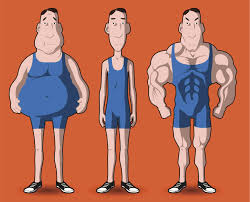
HGH Human Growth Hormone Body ChangesMarketing of HGH Human Growth Hormone 

Medical Research Studies

Marketing of HGH and Testosterone is considered "disease mongering" in a new article by Thomas Perls, gerontologist at Boston University.(1) 

Of course, it is.  The pharmaceutical industry typically uses disease mongering as a marketing strategy because it works very well.  They have used it for statin drugs, SSRI antidepressants, ADHD drugs, Restless leg syndrome, fibromyalgia drugs, etc.  Dr Perls says these types of direct to consumer TV ads should be banned. I agree completely.  However, I would go further and ban all direct to consumer drug advertising, as has been done in most other civilized countries.

Is Aging A Disease Which Requires Treatment?

How do we define Aging ?  For old friends and family members we haven't seen in a while, we sometimes say they look like they have "aged".  They may have have lost some hair, or their hair has turned grey,or they have gained weight, or they have more wrinkles, or they may have lost muscle mass and become frail.  These are the usual signs of aging we see every day.

Medical Definition of Aging

There are more sophisticated measurements of aging obtained with medical testing.  A decline in bone density on DEXA Scans, and loss of brain mass called atrophy on CAT scans are typical of aging.  A decline in hormone levels in women called menopause associated with ovarian failure is universally a sign of aging in women.   A decline in testosterone levels with loss of testicular function in the male counterpart, is also indicative of aging.  Other hormone levels, such as thyroid hormone,  typically decline with age as well. Wouldn't it be prudent to test hormone levels and if found low, to replenish them to healthy levels?  I think so.

Should Growth Hormone be included in this list? Some doctors such as Thierry Hertoghe think so, as indicated in this letter to JAMA.   Others such as Dr Thomas Perls may fundamentally disagree.  As Dr. Zs-Nagy has stated in Arch Gerontolontolgy and Geriatrics 2009  " consensus in anti-aging medical intervention may be an elusive expectation and not a realistic goal."  As Dr Binstock has suggested, the "war on Anti-Aging Medicine" is likely to continue.  This is explored further by Dr Jennifer Fishman in the "curious and contradictory case of anti-aging medicine."

Gastric Acid Production Declines With Age

In addition to the endocrine organs responsible for hormone production, other organs in the body may fail or gradually decline as we age.  The gastric lining is responsible for gastric acid production.  This may decline as we age, leading to poor digestion and absorption of key nutrients. This is easily treated with digestive aids at the health food store.  Untreated, low gastric acid production or gastric atrophy may lead to a cascade effect with acceleration of the aging process because of the associated nutrient deficiencies.

Aging as a Result of Oxidative Damage

One theory of aging is derived for the fact that our cellular organelles are under constant barrage of damaging products of oxidation which originate as a by-product of routine energy production by mitochondria, or may be associated with the immune system or thyroid gland which create oxidative byproducts to destroy foreign substances or make thyroid hormone.

The seleno-protein repair system is our way of defending against oxidative damage.  What if we have  selenium deficiency, or a genetic defect in our seleno-protein repair system as in the BRCA gene mutation?  Obviously this will result in accelerated aging and various diseases may manifest, such as breast /ovarian cancer in BRCA carriers.  Wouldn't it be prudent to test for these types of things and correct them?  I think so.

Another theory of aging is the metabolic theory.  Our metabolic processes slow down and fail us.
Below you will find  a compilation of articles on HGH Human Growth hormone, and the Testosterone and  Diagnosis and Treatment of adult human growth hormone deficiency.


Link to articles with related interest:
Dr Andrew Weil AARP Human Growth Hormone HGH

Jeffrey Dach MD

Links and References:

1) Disease Mongering of Age-Associated Declines in Testosterone and Growth Hormone Levels by Thomas Perls MD, MPH1 and David J. Handelsman MBBS, PhD2 MAR 2015 Journal of the American Geriatrics Society
2) The testosterone and HGH boom: How critics say ‘disease mongering’ created a multibillion-dollar industry By Amy Brittain March 24 2015 washington post
3) FDA To Testosterone Makers: Stop Wooing Average Aging Guys Arlene Weintraub Contributor Forbes 3/04/2015
--------------------------------------------------------------------
Thierry Hertoghe

4) Growth Hormone for “Antiaging” Thierry Hertoghe, MD; Suzie Schuder, MD JAMA. 2006;295(8):888-890. doi:10.1001/jama.295.8.888.
Arch Gerontol Geriatr. 2009 May-Jun;48(3):271-5.  2009 Mar 9. Is consensus in anti-aging medical intervention an elusive expectation or a realistic goal? Zs-Nagy I.

Bartke, Andrzej. "Growth hormone and aging: a challenging controversy." Clinical interventions in aging 3.4 (2008): 659.
 
Barzilai, Nir, et al. "The critical role of metabolic pathways in aging." Diabetes 61.6 (2012): 1315-1322.

Short Bowel Syndrome:
Jeppesen, Palle Bekker. "Growth Hormone, Glutamine and Glucagonlike Peptide 2 in Short Bowel Syndrome " PRACTICAL GASTROENTEROLOGY (2008): 37.
Growth Hormone Replacement for Adults An Overview_Joseph V. Pergolizzi jofmed_hgh_2008
AMERICAN ASS CLINICAL ENDOCRINOLOGISTS Guidelines 2003 HGH Growth Hormone
Thomas Perls Boston University Observations Letter HGH Human Growth Hormone to US Attorney Thomas Brown
Congressional Testimony Henry Waxman Committee HGH The Growth Hormone Craze Thomas Perls Feb 2008
HGH Human Growth Hormone Testing in the NFL Is the Science Ready Larry Bowers 2012 House Hearing
Adult Growth Hormone Deficiency HGH 2005 Eric Braverman
Androgen Testosterone Human Growth Hormone HGH Position Statement Jay Hoffman J Strength Conditioning 2009
Human Growth Hormone in IBD Rationale Evidence Concerns Kaneshiro March 2009
Experience with Human Growth Hormone HGH Post Polio Chris Cash
Dr Lam Book Stay Young Live Longer Ch7 HGH Human Growth Hormone
HUMAN GROWTH HORMONE RESEARCH HGH Normal Physiology in Adults Professor Jens Otto Lunde Jørgensen
Review of Various Growth Hormone Preparations 2010
hgh Human Growth Hormone DEA Informtion Sheet AUgust 2013
Insulin growth factor IGFI cognitive function in healthy older men 1999 Aleman
Growth hormone deficiency in adulthood and the effects of growth hormone replacement Carroll 1998
Effects Human Growth Hormone Men Over Sixty Years Old Daniel Rudman_NEJM_1990
Human Growth Hormone HGH for Dummies
Testosterone and Growth Hormone Normalization_Cenegenics

Molitch, Mark E., et al. Evaluation and treatment of adult growth hormone deficiency Endocrine Society Clinical Practice Guideline The Journal of Clinical Endocrinology & Metabolism 96.6 (2011): 1587-1609.

Horber, Fritz F., and Morey W. Haymond. Human growth hormone prevents the protein catabolic side effects of prednisone in humans Journal of Clinical Investigation 86.1 (1990): 265.Ward, H. C., D.

Halliday, and A. J. Sim. "
Protein and energy metabolism with biosynthetic human growth hormone after gastrointestinal surgery Ward " Annals of surgery 206.1 (1987): 56.

Herndon, DAVID N., et al. "Effects of recombinant human growth hormone on donor-site healing in severely burned children Herndon 1990" Annals of surgery 212.4 (1990): 424.

Gilpin, D. A., et al. "Recombinant human growth hormone accelerates wound healing in children with large cutaneous burns." Annals of surgery 220.1 (1994): 19.

Ramirez, Roque J., et al. "Growth hormone treatment in pediatric burns a safe therapeutic approach Ramirez 1998" Annals of surgery 228.4 (1998): 439.

Przkora, Rene, et al. "Beneficial effects of extended growth hormone treatment after hospital discharge in pediatric burn patients." Annals of surgery 243.6 (2006): 796.

Ziegler, THOMAS R., et al. "Metabolic effects of recombinant human growth hormone in patients receiving parenteral nutrition Annals of surgery 208.1 (1988): 6.

Growth Hormone - Hormone Replacement for the Somatopause? Richard Savine, Peter Sönksen Department of Medicine, St Thomas' Hospital, London, UK, Growth Hormone Research, Vol. 53, Suppl. 3, 2000

Hew Fen Lee Frank Alford Growth hormone deficiency in adults JUMMEC 1999 Hew, Fen Lee, and Frank Alford. "Growth hormone deficiency in adults." Journal of the University of Malaya Medical Centre (JUMMEC) 4.2 (1999): 74-80.

HGH References from Dr Elmer M Cranton
HGH References Cenegenics AntiAging Atlanta
HGH References Uzzi Reiss Book .
HGH Citations Ron Rothenberg MD
Header Image courtesy of Best Medicine News.

Metabolic effects of recombinant human growth hormone in patients receiving parenteral nutrition. T R Ziegler, L S Young, J M Manson, and D W Wilmore Department of Surgery, Harvard Medical School, Boston, Massachusetts. Ann Surg. 1988 July; 208(1): 6–16.

The effect of recombinant human growth hormone and resistance training on IGF-I mRNA expression in the muscles of elderly men. M Hameed, K H W Lange, J L Andersen, P Schjerling, M Kjaer, S D R Harridge, and G Goldspink. J Physiol. 2004 February 15; 555(Pt 1): 231–240.

Growth Hormone, Glutamine, and an Optimal Diet Reduces Parenteral Nutrition in Patients With Short Bowel Syndrome A Prospective, Randomized, Placebo-Controlled, Double-Blind Clinical Trial. Theresa A. Byrne et al. Ann Surg. 2005 November; 242(5): 655–661.

Non-alcoholic steatohepatitis and hepatic steatosis in patients with adult onset growth hormone deficiency. T Ichikawa et al. Gut. 2003 June; 52(6): 914.
Perioperative growth hormone treatment and functional outcome after major abdominal surgery: a randomized, double-blind, controlled study. P Kissmeyer-Nielsen et al, Ann Surg. 1999 February; 229(2): 298–302.

The Role of Anabolic Hormones for Wound Healing in Catabolic States. Robert H. Demling, MD et al.  J Burns Wounds. 2005; 4: e2.

Cardiac cachexia treated with HGH. P H Sönksen, F Salomon, R Cuneo, M Umpleby, and S Bowes. BMJ. 1991 March 23; 302(6778): 725–726.

Effects of recombinant human growth hormone on muscle protein turnover in malnourished hemodialysis patients. G Garibotto et al. J Clin Invest. 1997 January 1; 99(1): 97–105.

Metabolic effects of recombinant human growth hormone in patients receiving parenteral nutrition.T
R Ziegler et al. Ann Surg. 1988 July; 208(1): 6–16.
BMJ. 2001 January 27; 322(7280): 203. 2001, BMJ Science commentary Insulin-like growth factor and cognitive function Abi Berger, science editor BMJ

Growth hormone, insulin-like growth factor I and cognitive function in adults.van Dam PS et al.Growth Horm IGF Res. 2000 Apr;10 Suppl B:S69-73.

Insulin-like growth factor-I, cognition and brain aging. Van Dam PS et al. Eur J Pharmacol. 2004 Apr 19;490(1-3):87-95.

The role of the somatotropic system in cognition and other cerebral functions. Creyghton WM, van Dam PS et al. Semin Vasc Med. 2004 May;4(2):167-72.

Growth hormone treatment in human ageing Roberta Giordano Hormones 2008
AACE Guidelines GROWTH HORMONE USE IN ADULTS 2009 UPDATE
-----------------------------
Testosterone
Testosterone The Male Hormone Diabetes and Heart Disease Michael Klentze

Jeffrey Dach MD
7450 Griffin Road Suite 190
Davie, Fl 33314
954-792-4663
http://www.drdach.com
http://www.naturalmedicine101.com
http://www.truemedmd.com
Disclaimer click here: http://www.drdach.com/wst_page20.html

The reader is advised to discuss the comments on these pages with his/her personal physicians and to only act upon the advice of his/her personal physician. Also note that concerning an answer which appears as an electronically posted question, I am NOT creating a physician — patient relationship. Although identities will remain confidential as much as possible, as I can not control the media, I can not take responsibility for any breaches of confidentiality that may occur.

Link to this article: http://wp.me/p3gFbV-2MN

Copyright (c) 2015 Jeffrey Dach MD All Rights Reserved. This article may be reproduced on the internet without permission, provided there is a link to this page and proper credit is given.
FAIR USE NOTICE: This site contains copyrighted material the use of which has not always been specifically authorized by the copyright owner. We are making such material available in our efforts to advance understanding of issues of significance. We believe this constitutes a ‘fair use’ of any such copyrighted material as provided for in section 107 of the US Copyright Law. In accordance with Title 17 U.S.C. Section 107, the material on this site is distributed without profit to those who have expressed a prior interest in receiving the included information for research and educational purposes.