Showing posts with label Breast cancer. Show all posts

Sunday, April 5, 2015

Angelina Jolie, BRCA Gene, Preventive Cancer Surgery

Angelina Jolie BRCA MAstectomyAngelina Jolie
BRCA Gene and
Preventive Cancer Surgery


by Jeffrey Dach MD

Angelina Jolie’s story in a New York Times Op Ed revealed the celebrity underwent not only a bilateral prophylactic mastectomy about two years ago, but also more recently, a bilateral oophorectomy (removal of the ovaries). (1)
In the Op Ed piece,  Angelina Joli Pitt, wife of Brad Pitt, explained her decision to undergoing preventive surgery.  She wanted to prevent the cancer that claimed her mother, grandmother and aunt.  All died at young ages of breast/ovarian cancer.  Genetic testing had disclosed Angellina was a BRCA gene mutation carrier.  In her case the mutation was deleterious and carried a lifetime risk of breast/ovarian cancer in the 80-90 per cent range.(10)

Angelina Jolie BRCA GeneRecent Studies Show Dramatic Reduction in Mortality

A recent large scale study by Dr.  Finch in J Clin Oncology showed that prophylactic (preventive) mastectomy and oophorectomy (removal of ovaries)  conferred a dramatic 70-80 percent reduction in mortality in BRCA gene women with familial breast/ovarian cancer.(6) This is quite impressive.(5-8)
I very much agree with this illuminating comment from Robert Pass, MD from New York:
Ms. Jolie Pitt is a remarkable individual who is to be applauded for sharing with the world her experiences. In doing so, she has almost certain saved more lives than any single physician may in a lifetime of practice. Thank you for your honesty and the education you have provided women everywhere. I admire you greatly for your courage and advocacy for women (and men). Thank you.” Quote Robert Pass, MD

Angelina Jolie BRCA People MagazinePopulation Screening Proposed

The benefit of surgical treatment for women who carry deleterious BRCA Gene mutations is so impressive, some have advocated population wide screening “for unambiguously loss-of-function mutations with definitive effect on cancer risk.” (9)

Since mammography breast cancer screening has been disappointing,  maybe this is not a bad idea.  Would population screening for deleterious BRCA gene mutations lead to reduced mortality ?  

These studies have not yet been done, so we don’t know yet.  Research on this is still in its infancy, and the gene testing technology is racing forward with testing costs cheaper every year.

Hormone Replacement after Surgically Induced Menopause

Angelina revealed in her op-ed that she was now taking hormone replacement for surgically induced menopause.   Angelina mentions an estrogen patch. (This sounds like it could be the 17-Beta-Estradiol patch, Climara or Vivelle).

Angelina also revealed she uses a “progestin” impregnated IUD. (This sounds like the Mirena which has  a synthetic chemically altered “progestin” levonorgestrel).  I assume the Mirena IUD is to prevent endometrial hyperplasia and risk of endometrial cancer.

Angelina Jolie BRCA Time MagazineI would not recommend the Mirena IUD because it contains the synthetic progestin, levonorgestrel.  Synthetic progestins such as levonorgestre cause adverse effects of  migraine headache,  acne and  hair loss.   There may be an association with breast cancer, (for those who still have breast tissue).   For more on adverse side effects of synthetic progestins, see my article on this topic.

Uterine Perforation by the IUD

Another adverse side effect of the Progestin impregnated IUD is perforation of the uterus.  About 700 cases of per uterine perforation were reported in this report.

Some women dislike the Progestin impregnated IUDs because of adverse effects of unscheduled bleeding, abdominal pain, weight gain, mood disturbance, etc.  Only half the women responded they were satisfied with this IUD.


Mirena IUDAvoid the Mirena IUD

Instead of the Estradiol patch and  Mirena IUD combination, I would recommend a more bioidentical approach.  I would prescribe a topical cream containing both Estradiol and Estriol (called Bi-Est), as well as progesterone in the same cream.  In addition, oral progesterone capsules at night before sleep are also given.  We routinely do periodic hormone testing with either blood testing or 24 hour urinary metabolites.  Annual pelvic sonograms are useful to measure endometrial thickness.  Progesterone is FDA approved for prevention of endometrial hyperplasia and will maintain a thin endometrial lining. Any increase in endometrial thickness has further evaluation. see this link:  FDA Approval of Progesterone Prevents Endometrial Hyperplasia. Left image Mirena IUD.

Declining Preventive Surgery and Avoiding   “Self-Mutilation”

About 30-50% of BRCA carrier women decline the surgical procedures offered by mainstream medicine.(24)  Reasons are unclear.  However some women do not trust the medical system and wish to avoid ‘self-mutilation”.   Others may have benign or clinically insignificant BRCA mutations which do not require heroic measures.

For BRCA carrier women who decline preventive surgery, Mainstream Medicine offers more intensive surveillance with imaging and blood testing, mammograms, MRI scans for breast cancer surveillance.

For ovarian cancer surveillance  they have the CA-125 cancer marker test and pelvic and  transvaginal sonogram .  These types of surveillance programs have not proven to be reliable, as they may fail to detect ovarian cancer until after the cancer has spread throughout the peritoneal cavity, and to distant organs.

selenium Brasil NutsAlternatives to Preventive Surgery

The question remains: what alternatives can be offered BRCA gene carriers?  The answer is the supplement, selenium, discussed in my book, Bioidentical Hormones 101, published four years ago.  Since selenium is a mineral in our diet, and not a patented drug, it is rarely mentioned in the mainstream media accounts of Angelina Jolie and the BRCA Gene.(11-15)

Selenium Reduces Oxidative DNA Damage Markers and Reduces Breast Cancer Incidence in BRCA Carriers

The BRCA gene is involved in repairing oxidative damage to DNA using the seleno-protein repair system.   The BRCA mutation carries the inability to repair double stranded DNA breaks.  Increased markers of oxidative DNA damage can be measured in BRCA gene carriers.  Selenium supplementation not only reduces the oxidative damage markers, it also reduces the incidence of breast cancer in the BRCA carrier to that of normal siblings. (11-15)  Left image Brazil Nuts High in Selenium.

Selenium Beneficial for BRCA Gene Carriers – Reduces Breast Cancer
The most convincing evidence of selenium as a cancer preventive

Dziaman et al. from Poland published a study in Nov 2009 looking at DNA damage in BRCA gene carriers.(12)  The authors measured serum and urinary products of DNA oxidation with and without selenium supplementation, finding damaged DNA products were higher in BRCA mutation carriers, and markers were reduced by selenium supplementation.  Their results suggest that BRCA1 deficiency contributes to oxidative damage and breaks in cellular DNA, which may be responsible for cancer development.  In addition, selenium supplementation is beneficial, because it protects the DNA from oxidative damage.

Strong Evidence for a Selenium as Preventive Agent  – Kowalska

Human_lymphocyteA study of BRCA gene carriers from Kowalska in Poland in 2005 provides strong evidence for selenium as a preventive agent.(13)  Fifty five women with the BRCA1 gene mutation were supplemented with 275 µg of sodium selenite daily for 8 weeks.  The amount of DNA damage was assessed from blood lymphocytes.  This showed BRCA gene carriers had twice the DNA damage compared to their normal siblings.  However, Selenium supplementation given to BRCA gene carriers reduced the DNA damage to normal levels, same as normal siblings.  Left Image human lymphocyte courtesy of Wikimedia commons.

A second larger study reported by Kowalska et al, in 2006  verified that selenium supplementation indeed reduces cancer in women with the BRCA1 gene. After two years of selenium supplementation, expected BRCA1-associated cancers were reduced in half.(15)

Prudent for All BRCA Carriers to Take Selenium

Since selenium supplementation has no adverse effects, it would be prudent for all BRCA gene carriers to  supplement with seleno-methionine (200-400 mcg/day).(11-14)   We monitor serum selenium levels for safety.

We Need Long More Term Studies
We have yet to see studies examining the effect of selenium supplementation on  mortality reduction in BRCA carriers.  We simply do not know how selenium supplementation compares with preventive surgery offered by mainstream medicine, and this would be a fertile area for future study.

Cancer As a Metabolic Disease

In an article entitled, Cancer As a Metabolic Disease, we discuss a number of nutritional supplements available at the health food store which have strong anti-cancer activity.  These include Resveratrol, Pterostilbene, Chinese Skullcap, Curcumin, Betulinic acid, Berberine, Artemesinin, Vitamin K2 , and Methyl Jasmonate.  These types of natural substances induce apoptosis in cancer cells via the Hexokinase pathway. There are many others. A program including some of these supplements would be advisable for the BRCA gene carrier.

Iodine Deficiency Link to Breast Cancer

Iodine supplements, available at any health food store,  represent another cancer preventive intervention for high risk women who decline preventive surgery.  Iodine deficiency is a risk factor for fibrocystic breast disease and breast cancer.  My previous article discussed this: Iodine Deficiency and Breast Cancer.

BRCA Gene Testing – Discrepancies and Inconsistencies

How can we explain the discrepancies and inconsistencies in BRCA Gene studies?  I suggest this is explained by the hundreds of variations in the BRCA gene mutations.  Only a few are deleterious leading to aggressive cancers with poor prognosis.  Many of the BRCA variations are benign of no clinical significance.

Additional Testing Needed ?

In order to determine if the BRCA gene mutation is clinically significant, additional testing may prove useful to determine downstream functionality of the DNA repair mechanism disrupted by the BRCA mutation.  One such test, the lymphocyte Bleomycin assay, was used by Dr. Kowalska in her study to measure functionality of the DNA repair mechanism before and after selenium supplementation.
In another study, Dr. Dzamian measured DNA products of oxidation in the blood and urine. He measured 8-oxodG levels in cellular DNA and urinary excretion of 8-oxodG and 8-oxo-7,8-dihydroguanine (8-oxoGua).  These are markers of DNA oxidative damage indicating dysfunctional DNA repair mechanism.  As yet, these are advanced tests for the research setting. Hopefully, similar tests for the clinical setting will be developed in the future.

Complexities and Pitfalls of Genetic Testing

This highlights the complexity and pitfalls of genetic screening for BRCA gene mutations.  It would be unwise to undergo self testing with an online genetic testing service, which then yields a positive BRCA result, and then present oneself to a surgeon for preventive surgery.  The BRCA mutation may be clinically insignificant, not requiring heroic measures.  Evaluation by an expert genetic counselor is key here.  This is a health professional who gathers all the pieces of the puzzle and puts them together.  The genetic counselor considers the severity of the BRCA mutation, whether deleterious or benign, along with family history to hopefully arrive at a valid risk estimate and treatment recommendation.

Where are the  Homozygous BRCA Gene Cases?

You might be wondering why none of the BRCA gene studies include homozygous BRCA gene cases.   All women are BRCA carriers indicating heterozygous state.  Where are the homozygous BRCA gene cases ?  Homozygous BRCA is lethal in the embryo, so we don’t have any.

Articles with Related Interest

Hormone Replacement in BRCA gene Positive Women
Selenium Supplementation Part One
Selenium Supplementation Part Two

Jeffrey Dach MD
7450 Griffin Road Suite 190
Davie Florida 33314
954 -792-4663

Links and References
2015
1) http://www.nytimes.com/2015/03/24/opinion/angelina-jolie-pitt-diary-of-a-surgery.html?_r=0
Angelina Jolie Pitt: Diary of a Surgery  By ANGELINA JOLIE PITTMARCH 24, 2015 New York Times…  My major “quibble” with the Angeline Jolie case is the use of “progestin” impregnated IUD (probably a Mirena IUD) which I do not recommend. I would use real progesterone instead.
comment after op ed:
Robert Pass, MD
New York, New York 6 days ago
Ms. Jolie Pitt is a remarkable individual who is to be applauded for sharing with the world her experiences. In doing so, she has almost certain saved more lives than any single physician may in a lifetime of practice. Thank you for your honesty and the education you have provided women everywhere. I admire you greatly for your courage and advocacy for women (and men). Thank you.
1A) My Medical Choice By ANGELINA JOLIE MAY 14, 2013  New York times
2) http://www.slate.com/articles/health_and_science/medical_examiner/2015/03/angelina_jolie_brca_cancer_treatments_surgery_fallopian_tubes_ovaries_alternative.html
Bad Alternatives  When it comes to cancer treatment, do as Angelina Jolie does, not as she says. By Charlotte Huff  Slate Magazine
When a woman with this risky mutation has her ovaries and fallopian tubes removed, ideally by her late 30s to 40s, her lifetime risk of ovarian cancer can be slashed by as much as 80 percent, according to a large-scale study published last year in the Journal of Clinical Oncology.(Amy P.M. Finch,)
3) http://www.today.com/health/angelina-jolies-bio-identical-therapy-spurs-hormone-questions-2D80569287
Angelina Jolie’s ‘bio-identical’ therapy raises hormone questions .  Susan Donaldson James TODAY contributor March 26, 2015 at 1:22 PM ET
“We do not know whether Ms. Jolie is on an FDA-approved product, or an compounded one,” said Pauline M. Maki, president of the North American Menopause Society. “Given that she is using a patch, it is likely an FDA-approved form.”   An earlier version of this story reported that compounded hormones do not require a prescription. This version of   the story has been updated to report that they do.
4) http://www.forbes.com/sites/davidkroll/2015/03/26/angelina-jolies-round-two-with-mutated-brca1-solid-science-sprinkled-with-nonsense/
Forbes…Angelina Jolie’s Round Two With Mutated BRCA1: Solid Science Sprinkled With Nonsense    David Kroll Contributor Forbes
2014
5) http://jco.ascopubs.org/content/early/2014/12/10/JCO.2014.59.3178.short
Domchek, Susan M. “Evolution of Genetic Testing for Inherited Susceptibility to Breast Cancer.” Journal of Clinical Oncology (2014): JCO-2014.
6) http://jco.ascopubs.org/content/32/15/1547.full
Finch AP,    Lubinski J,    Møller P,    et al.  (2014) Impact of oophorectomy on cancer incidence and mortality in women with a BRCA1 or BRCA2 mutation. J Clin Oncol 32:1547–1553.
The striking finding in this study of BRCA1 or BRCA2 mutation carriers was the effect of oophorectomy on all-cause mortality. Among women who were unaffected with cancer at study entry, risk of death in the follow-up period fell by 77% after oophorectomy. Impact of oophorectomy on mortality results in large part from reduction in the incidence of ovarian, tubal, and peritoneal cancers—but there is an important component from reducing breast cancer incidence and mortality as well. We have previously shown that oophorectomy reduces risk of breast cancer by 48% in women with a BRCA1 mutation,6 and once the cancer is diagnosed, it reduces patient case fatality by 70%.8
We confirm here the impact of oophorectomy on mortality in our study of 5,783 carriers, and we report that the effect of oophorectomy on all-cause mortality is equally strong for BRCA1 (HR, 0.30; 95% CI, 0.24 to 0.38) and BRCA2 mutation carriers (HR, 0.33; 95% CI, 0.22 to 0.50).
Women without a history of breast cancer may be administered hormone replacement therapy for the relief of the acute symptoms of menopause without increasing their risk of breast cancer.    14.?
Rebbeck TR,  Friebel T,  Wagner T,  et al.(2005) Effect of short-term hormone replacement therapy on breast cancer risk reduction after bilateral prophylactic oophorectomy in BRCA1 and BRCA2 mutation carriers: The PROSE study group. J Clin Oncol 23:7804–7810.
Eisen A,    Lubinski J    Gronwald J,    et al.(2008) Hormone therapy and the risk of breast cancer in BRCA1 mutation carriers. J Natl Cancer Inst 100:1361–1367.
2010
7) http://jama.jamanetwork.com/article.aspx?articleid=186510">
Domchek, Susan M., et al. “Association of risk-reducing surgery in BRCA1 or BRCA2 mutation carriers with cancer risk and mortality.” Jama 304.9 (2010): 967-975.
Context Mastectomy and salpingo-oophorectomy are widely used by carriers of BRCA1 or BRCA2 mutations to reduce their risks of breast and ovarian cancer.
Objective To estimate risk and mortality reduction stratified by mutation and prior cancer status.
Design, Setting, and Participants Prospective, multicenter cohort study of 2482 women with BRCA1 or BRCA2 mutations ascertained between 1974 and 2008. The study was conducted at 22 clinical and research genetics centers in Europe and North America to assess the relationship of risk-reducing mastectomy or salpingo-oophorectomy with cancer outcomes. The women were followed up until the end of 2009.
Main Outcomes Measures Breast and ovarian cancer risk, cancer-specific mortality, and overall mortality.
Results No breast cancers were diagnosed in the 247 women with risk-reducing mastectomy compared with 98 women of 1372 diagnosed with breast cancer who did not have risk-reducing mastectomy. Compared with women who did not undergo risk-reducing salpingo-oophorectomy, women who underwent salpingo-oophorectomy had a lower risk of ovarian cancer, including those with prior breast cancer (6% vs 1%, respectively; hazard ratio [HR], 0.14; 95% confidence interval [CI], 0.04-0.59) and those without prior breast cancer (6% vs 2%; HR, 0.28 [95% CI, 0.12-0.69]), and a lower risk of first diagnosis of breast cancer in BRCA1 mutation carriers (20% vs 14%; HR, 0.63 [95% CI, 0.41-0.96]) and BRCA2 mutation carriers (23% vs 7%; HR, 0.36 [95% CI, 0.16-0.82]). Compared with women who did not undergo risk-reducing salpingo-oophorectomy, undergoing salpingo-oophorectomy was associated with lower all-cause mortality (10% vs 3%; HR, 0.40 [95% CI, 0.26-0.61]), breast cancer–specific mortality (6% vs 2%; HR, 0.44 [95% CI, 0.26-0.76]), and ovarian cancer–specific mortality (3% vs 0.4%; HR, 0.21 [95% CI, 0.06-0.80]).
Conclusions Among a cohort of women with BRCA1 and BRCA2 mutations, the use of risk-reducing mastectomy was associated with a lower risk of breast cancer; risk-reducing salpingo-oophorectomy was associated with a lower risk of ovarian cancer, first diagnosis of breast cancer, all-cause mortality, breast cancer–specific mortality, and ovarian cancer–specific mortality.
‘The authors showed 88% reduction in mortality from ovarian cancer in patents undergoing salpingo-oophorectomy in BRCA1 women, AND a 100% reduction in mortality with oophorectomy in BRCA2 women. (mortality was zero in this group)’
————————-
If your goal is to reduce mortality from breast cancer , then throw away into the garbage can screening mammography, and instead screen the population for the BRCA gene…..offer surveillance or treatment options to these patients who are BRCA gene positive. …they decide what treatment they want …I guarantee you national annual breast cancer mortality will decline precipitously.
——————–
We have other examples of familial cancer formers such as hereditary colonic polyposis. These people harbor numerous colonic polyps which transform into colon cancer. Colonoscopy is curative. It runs in families.
Yet the mortality reduction with surgical treatment of BRCA gene positive women is real and not to be ignored. Reduction in cancer mortality is tough to find in mainstream medicine. When we find something that give us a mortality reduction, we should say , “good job” and give some encouragement.
in BRCA gene women who have increased mortality from breast / ovarian cancer compared to their normal siblings, yes, prophylactic mastectomy and oophorectomy translates into reduced cancer mortality and reduced all-cause mortality. We have the data for that.
The Myriad patent on the BRCA test has been overturned by the court, so costs have come down as competitors offer the test.
2006
8) http://www.thelancet.com/journals/lanonc/article/PIIS1470-2045%2806%2970585-X/abstract
Domchek SM, Friebel TM, Neuhausen SL,  et al.  Mortality after bilateral salpingo-oophorectomy in BRCA1 and BRCA2 mutation carriers.  Lancet Oncol. 2006;7(3):223-229
Bilateral prophylactic salpingo-oophorectomy (BPSO) is used widely used to reduce the risk of breast and ovarian cancer in women with BRCA1 and BRCA2 mutations. However, the reduction in mortality after this surgery is unclear. We aimed to assess whether BPSO improves overall mortality or cancer-specific mortality in BRCA1 and BRCA2 mutation carriers.
Methods
We identified a prospective cohort of 666 women with disease-associated germline mutations in BRCA1 or BRCA2 and no previous cancer diagnosis. In our primary analysis, we compared 155 women who had had BPSO and 271 women matched for age at BPSO who had not had BPSO. In our secondary analysis, we compared 188 women who had had BPSO with 478 women who had not. In both analyses, we compared overall mortality and cancer-specific mortality. All analyses were adjusted for centre, mutation (BRCA1 vs BRCA2), and birth year.
Findings
In the primary analysis, mean follow-up from BPSO to censoring was 3·1 years [SD 2·4] in the BPSO group and 2·1 years [2·0] in the non-BPSO group. The hazard ratio (HR) for overall mortality was 0·24 (95% CI 0·08–0·71), for breast-cancer-specific mortality was 0·10 (0·02–0·71), and for ovarian-cancer-specific mortality was 0·05 (0·01–0·46) for women who had BPSO compared with those who had not. In secondary analysis, BPSO was associated with reduced overall mortality (HR 0·28 [95% CI 0·10–0·74]), but not with breast-cancer-specific mortality (0·15 [0·02–1·18] or ovarian-cancer-specific mortality (0·23 [0·02–1·87]. When regarded as a time-dependent covariate, BPSO was not associated significantly with mortality.
Interpretation
If confirmed, the finding that BPSO improves overall survival and cancer-specific survival in women with BRCA mutations will complement our existing knowledge of cancer-risk reduction associated with BPSO. Together, these data could give information to women who are considering genetic testing.
—————————————————
Population Based Screening
9) http://jama.jamanetwork.com/article.aspx?articleid=1902783
King, Mary-Claire, Ephrat Levy-Lahad, and Amnon Lahad. “Population-based screening for BRCA1 and BRCA2: 2014 Lasker Award.” JAMA 312.11 (2014): 1091-1092.
“Based on our 20 years’ experience working with families with cancer-predisposing mutations in BRCA1 and BRCA2,3 it is time to offer genetic screening of these genes to every woman, at about age 30, in the course of routine medical care. ”
Families were identified by recruiting more than 8000 healthy Ashkenazi Jewish men. Each male index participant was screened for 3 loss-of-function mutations that collectively account for the great majority of inherited cancer risk due to BRCA1 and BRCA2 in this population. BRCA1 and BRCA2 mutations are equally common in women and men and are inherited equally from mothers and from fathers. Men were tested as a gateway to families because men were unaffected by breast cancer themselves, thus enabling female mutation carriers to be identified only by relationship to a healthy male relative, not based on their personal or family history of cancer. By multiple criteria, the index men were representative of their population with respect to mutation prevalence and family history. For each of the 175 men identified as a carrier of a mutation in BRCA1 or BRCA2, genetic testing was offered to all female relatives.
In the United States as a whole, the number of carriers of actionable mutations in BRCA1 and BRCA2 carriers is estimated to be between 1 in 300 and 1 in 500 women,6 or between 250 000 and 415 000 adult women for whom breast and ovarian cancer is both highly likely and potentially preventable.
————————————————————-
10) http://www.sciencemag.org/content/302/5645/643.full
Breast and Ovarian Cancer Risks Due to Inherited Mutations in BRCA1 and BRCA2
Abstract Risks of breast and ovarian cancer were determined for Ashkenazi Jewish women with inherited mutations in the tumor suppressor genes BRCA1 and BRCA2. We selected 1008 index cases, regardless of family history of cancer, and carried out molecular analysis across entire families. The lifetime risk of breast cancer among female mutation carriers was 82%, similar to risks in families with many cases. Risks appear to be increasing with time: Breast cancer risk by age 50 among mutation carriers born before 1940 was 24%, but among those born after 1940 it was 67%. Lifetime risks of ovarian cancer were 54% for BRCA1 and 23% for BRCA2 mutation carriers. Physical exercise and lack of obesity in adolescence were associated with significantly delayed breast cancer onset…
———————————————
Selenium
Selenium Supplementation in BRCA Gene carriers
11) http://www.ncbi.nlm.nih.gov/pubmed/20063075
Cancer Causes Control. 2010 Jan 9. Toenail selenium status and DNA repair capacity among female BRCA1 mutation carriers. Kotsopoulos J et al.
Women’s College Research Institute, 790 Bay Street, Toronto, ON, Canada,
Selenium is an important cofactor of various antioxidant enzymes and has been shown to enhance DNA repair in normal human fibroblasts. Oral selenium supplementation has also been shown to decrease the number of chromosome breaks in BRCA1 mutation carriers. Because the predisposition to cancer among BRCA1 mutation carriers may be linked to high rates of DNA damage and chromosome breakage, we evaluated the association between toenail selenium concentrations and three measures of DNA repair capacity (the single-cell alkaline gel electrophoresis (comet) assay, the micronucleus test, and the enumeration of gamma-H2AX nuclear foci) in female BRCA1 mutation carriers and in non-carriers.
Toenail selenium levels were inversely associated with levels of chromosomal damage following exposure to gamma-irradiation, as assessed by the micronucleus test. This association was limited to women with a BRCA1 mutation (p = 0.03). These results provide evidence for a possible protective effect of selenium against BRCA1-associated breast cancers.
12) http://www.ncbi.nlm.nih.gov/pubmed/19843683
Cancer Epidemiol Biomarkers Prev. 2009 Nov;18(11):2923-8.Selenium_Reduced_DNA_Damage_BRCA_Carriers Selenium supplementation reduced oxidative DNA damage in adnexectomized BRCA1 mutations carriers by Dziaman T et al. Poland.
Some experimental evidence suggests that BRCA1 plays a role in repair of oxidative DNA damage. Selenium has anticancer properties that are linked with protection against oxidative stress. To assess whether supplementation of BRCA1 mutation carriers with selenium have a beneficial effect concerning oxidative stress/DNA damage in the present double-blinded placebo control study. Altogether, these results suggest that BRCA1 deficiency contributes to (Oxidative Damage and Breaks ) accumulation in cellular DNA, which in turn may be a factor responsible for cancer development in women with mutations, and that the risk to developed breast cancer in BRCA1 mutation carriers may be reduced in selenium-supplemented patients who underwent adnexectomy.
13) http://cebp.aacrjournals.org/content/14/5/1302.long
Cancer Epidemiology, Biomarkers & Prevention May 2005 14; 1302
Increased Rates of Chromosome Breakage in BRCA1 Carriers Are Normalized by Oral Selenium Supplementation by Elzbieta Kowalska1, Steven A. Narod2, Tomasz Huzarski1, Stanislaw Zajaczek1, Jowita Huzarska1, Bohdan Gorski1 and Jan Lubinski1
Women who carry a mutation of the BRCA1 gene face a lifetime risk of breast cancer of ∼80% and a lifetime risk of ovarian cancer of ∼40% (1). Men who carry a BRCA1 mutation seem at elevated risk for breast and prostate cancer (2). The BRCA1 gene product is involved in the maintenance of the integrity of the human genome and functions in conjunction with BRCA2 and RAD51 to repair double-stranded DNA breaks through the mechanism of homologous recombination (3).
One of the most commonly used cytogenetic tests for the assessment of chromosome instability is the in vitro bleomycin assay (9). This is a simple and reproducible assay that measures induced chromosome breaks. Patient lymphocytes are cultured in the presence of bleomycin, a known mutagenic agent that typically induces double-strand breaks (similar to those induced by ionizing radiation). The mean number of chromosomal breaks per cell is then measured after bleomycin exposure. The assay has been used to study susceptibility to various types of cancer (9, 10). Using this technique, we explored the possibility that oral selenium supplementation may reduce the formation of induced chromosome breaks in female BRCA1 carriers.
An oral selenium solution was provided to the study subjects which contained 690 μg of pure selenium, in the form of sodium selenite (Na2SeO3) per mL of 70% ethanol. Subjects were requested to consume 0.2 mL of the solution twice daily. Among the BRCA1 carriers (n = 32), this level of supplementation resulted in an increase in the mean serum selenium from 56.7 ± 12.7 to 90.2 ± 17.6 ng/mL (P < 0.001). Selenium levels were not measured in the noncarrier controls.
In the first phase of this two-part study, we observed that the lymphocytes from heterozygous carriers of deleterious mutations of the BRCA1 gene show an elevated frequency of chromosome breaks after exposure to bleomycin in vitro compared with noncarriers. In the second part of the study, we have shown that in most cases, these elevated levels can be reduced to normal with oral selenium supplementation. Although our sample size was small, our results were highly significant; in every case, selenium supplementation resulted in a reduced frequency of chromosome breaks.
14) http://www.hccpjournal.com/content/4/1/58  Huzarski, Tomasz, et al. “A lowering of breast and ovarian cancer risk in women with a BRCA1 mutation by selenium supplementation of diet.” Hereditary cancer in clinical practice 4.1 (2006): 58.
It has been shown that individuals with inherited predisposition to cancer (including colon, breast and ovary) have increased sensitivity to bleomycin. We published that bleomycin-induced chromosomal instability in BRCA1 carriers is inhibited by selenium supplementation in physiologic (according to WHO) doses.
15) A Lowering of Breast and Ovarian Cancer Risk in Women with a BRCA1 Mutation by Selenium Supplementation of Diet. Huzarski T1, Byrski T, Gronwald J, Kowalska E, Zajaczek S, Górski B, Huzarska J, Cybulski C, Narod SA, Lubiński J.
Author information 1International Hereditary Cancer Center – Department of Genetics and Pathology, Pomeranian Medical University, Szczecin, Poland.
Hered Cancer Clin Pract. 2006 Jan 15;4(1):58.
16) The-case-against-BRCA-1-and-2-testing.-2(1)
Lin, Cheryl, et al. “The case against BRCA 1 and 2 testing.” Surgery 149.6 (2011): 731-734.
17) Breast-and-Ovarian-Cancer-Risks-Due-to-Inherited-Mutations-in-BRCA1-and-BRCA2
18) http://www.oncologynurseadvisor.com/preventive-ovary-removal-for-brca-carriers-reduces-mortality/article/337610/
Kathy Boltz, PhD  April 02, 2014 Preventive ovary removal for BRCA carriers reduces mortality
19)
http://www.masslive.com/news/index.ssf/2015/03/baystates_dr_grace_makari-judson_says_angelina_jolies_recent_preventative_cancer_surgery_highlights_options_for_women_at_risk.html
Baystate’s Dr. Grace Makari-Judson says Angelina Jolie’s recent preventative cancer surgery highlights options for women at risk  Anne-Gerard Flynn  Mass Live
20) https://bloggingbrca.wordpress.com/
Blogging BRCA  The BRCA Experience in Real Time
21) http://www.ncbi.nlm.nih.gov/pmc/articles/PMC3152786/
Am J Med Genet A. 2010 Jan; 152A(1): 52–66.
The Process of Deciding About Prophylactic Surgery for Breast and Ovarian Cancer: Patient Questions, Uncertainties, and Communication
Robert Klitzman1,* and Wendy Chung2,†
22) Mutations Rates and Reasons For Declining BRCA Genetic Testing Mange
23) Acceptability of Salpingectomy Oophorectomy Risk Reducing Surgery BRCA Mutation Carriers Holman MD ANderson
24) Risk reducing salpingo_oophorectomy for BRCA mutation carriers_GYN_ONC_2014

Jeffrey Dach MD
7450 Griffin Road Suite 190
Davie, Fl 33314
954-792-4663
http://www.drdach.com
http://www.naturalmedicine101.com
http://www.truemedmd.com

Disclaimer click here: http://www.drdach.com/wst_page20.html

The reader is advised to discuss the comments on these pages with his/her personal physicians and to only act upon the advice of his/her personal physician. Also note that concerning an answer which appears as an electronically posted question, I am NOT creating a physician — patient relationship. Although identities will remain confidential as much as possible, as I can not control the media, I can not take responsibility for any breaches of confidentiality that may occur.

Link to this article:  http://wp.me/p3gFbV-2Lo

Copyright (c) 2015 Jeffrey Dach MD All Rights Reserved. This article may be reproduced on the internet without permission, provided there is a link to this page and proper credit is given.
FAIR USE NOTICE: This site contains copyrighted material the use of which has not always been specifically authorized by the copyright owner. We are making such material available in our efforts to advance understanding of issues of significance. We believe this constitutes a ‘fair use’ of any such copyrighted material as provided for in section 107 of the US Copyright Law. In accordance with Title 17 U.S.C. Section 107, the material on this site is distributed without profit to those who have expressed a prior interest in receiving the included information for research and educational purposes.

Thursday, April 25, 2013

Iodine Treats Breast Cancer, Overwhelming Evidence by Jeffrey Dach MD

Arrow points to Breast Cancer on  PET SCAN
Iodine Treats Breast Cancer, the Overwhelming Evidence 

by Jeffrey Dach MD

This article is Part Two of a series. For Part One , Click Here.

Spontaneous Regression of Breast Cancer

David Brownstein MD reports three cases of spontaneous regression of breast cancer after women take iodine supplementation.(1) (This is reported on page 63  of the Iodine Book by David Brownstein MD.)

Joan, an English Teacher

The first patient, Joan a 63 year old English teacher, was diagnosed with breast cancer in 1989, declined conventional treatment, and took 50 mg per day of Iodoral, (Iodine). Six weeks later, a PET scan (left image) showed, “all of the existing tumors were disintegrating”.  Upper Left Image: Upper two frames is a PET scan showing breast cancer )(red arrows).  Lower two frames is a CAT scan showing enhancing breast cancer mass, red arrow. Courtesy of Wikimedia Commons.

Delores

The second patient, 73 year old Delores, was diagnosed with breast cancer in 2003.  She declined conventional treatment with radiation and chemotherapy.  Instead, Dolores took 50 mg of Iodoral daily. A follow up ultrasound of the breast 18 months later showed,” It appears that these malignancies have diminished in size since the last examination. Interval improvement is definitely seen,”  Two years later a follow up mammogram and ultrasound failed to show any abnormality and were read by the radiologist as normal.

Joyce

The third patient, 52 year old Joyce was diagnosed with breast cancer two years prior (left image), and started on Iodoral 50 mg per day.  Three years after starting Iodoral, her follow up mammograms and ultrasound exams show decreasing size of the tumor with no progression.(1)

Mammogram showing breast cancer mass (white lump)
Left Image: Mammogram showing breast cancer courtesy of wikimedia commons.

Iodine Deficiency Causes Breast Cancer – The Overwhelming Evidence

Human Studies of Areas with Low Iodine
Iodine deficiency is associated with a higher rate of goiter and breast cancer.  Similarly, higher dietary Iodine intake is associated with less goiter and breast cancer.  For example, Japan has the highest dietary intake of iodine (13 mg per day), and the lowest rates for goiter and breast cancer.  However, when Japanese women immigrate and change dietary intake of Iodine to the lower 150 mcg/day in America, breast cancer rates increase.(1)
Iceland is another country with high Iodine intake and low rates for goiter and breast cancer.  The high dietary iodine came from the fishing industry before WWI.  In those days, the fish meal was fed to dairy cows providing milk with high iodine content.  After WWI, the fish meal was eliminated from the dairy cows, and breast cancer rates soared ten-fold. (2)

Animal studies

Iodine deficient diets in animals induces breast cancer and goiter.(1)

Iodine Research from Mexico, India and Japan.

India
The Shrivastava group in India reported molecular iodine induces apoptosis (programmed cell death) in human breast cancer cell cultures.  “Iodine showed cytotoxic effects in the cultured human breast cancer cells”. (3)

Mexico
From Mexico,  the Carmen Aceves Velasco Group reported Iodine to be safe, with no harmful effects on thyroid function, and an anti-proliferative effect on human breast cancer cell cultures. (5)(6)(7) Their 2009 paper reported the mechanism by which Iodine works as an anti-cancer agent.  Iodine binds to membrane lipids called lactones forming iodo-lactones which regulate apoptosis (programmed cell death).  Iodine causes apoptosis which makes cancer cells undergo programmed cell death.(4) Dr. Aceves concluded that continuous molecular iodine treatment has a “potent antineoplastic effect” on the progression of mammary cancer. (10)

Japan
From Japan, Dr Funahashi reported a common seaweed food containing high iodine content is more beneficial than chemotherapy on breast cancer .   “He found that administration of Lugol’s iodine or iodine-rich Wakame seaweed to rats treated with the carcinogen dimethyl benzanthracene suppressed the development of mammary tumors. The same group demonstrated that seaweed induced apoptosis in human breast cancer cells with greater potency than that of fluorouracil, a chemotherapeutic agent used to treat breast cancer.”(8)
Arrows point to tumors in a mouse model
Left column Images are untreated rats with large breast cancer tumors (red arrows) .Right column Images are rats treated with Iodine showing reduction in breast cancer tumors. From Funahashi Japan (8)

Mechanism of Action-Altering Gene Expression

A 2008 paper by Bernard A. Eskin MD showed that Iodine actually altered gene expression in breast cancer cells, inducing programmed cell death. (9)

Lung Cancer and Iodine

A 2003 study by Ling Zhang ahowed that molecular Iodine caused lung cancer cells to undergo programmed cell death (apoptosis).  These lung cancer cells had been genetically modified to increase iodine uptake.(12)  Interestingly, a 1993 case report describes spontaneous remission of lung cancer in a patient incidentally treated with Amiodorone which contains iodine (about 9 mg per day)(13)

In Conclusion

Current Iodine research calls for use of molecular Iodine for all patients with breast cancer. (10)(11)  Other cancers such as lung and prostate may also benefit.  Further research on Iodine as cancer chemotherapy should receive top priority for NIH funding.

How to Obtain Iodine Tablets

Iodine (Iodoral) is available on the internet without a prescription. Financial Disclosure: The author has no financial interest in the Iodine Book mentioned above, or in any company that manufactures Iodine Supplements.

Disclaimer: This article is not intended as medical advice.  Make sure to discuss with your doctor and follow your own personal doctor’s recommendations when contemplating any changes to your diet, medications, or medical treatment programs.

Articles with Related Content

Breast Cancer Prevention with Iodine Supplementation
Rethink Pink October Breast Cancer Mammogram by Jeffrey Dach MD
The Untold Message of Breast Cancer Awareness Month

Breast Cancer Prevention and Iodine Supplementation
The Thyroid Nodule Epidemic by Jeffrey Dach MD
Breast Cancer Awareness Month, and Vitamin D
Rachel Carson and Silent Spring by Jeffrey Dach MD
Vitamin D Prevents Hip Fracture and Breast Cancer 

Links and References

(1) Iodine, Why You Need It , Why You Can’t Live Without It, by David Brownstein MD
Fourth Edition 2009, Medical Alternatives Press.
(2) Breast Cancer and Iodine by David M Derry MD PhD 2001 Trafford.
Human Breast Cancer – India 2006 full text
(3) http://www.jbc.org/content/281/28/19762.abstract
July 14, 2006 The Journal of Biological Chemistry, 281, 19762-19771
Molecular Iodine Induces Caspase-independent Apoptosis in Human Breast Carcinoma Cells Involving the Mitochondria-mediated Pathway.  Ashutosh Shrivastava et al.  National Laboratory Animal Cell Culture and Electron Microscopy Unit, Central Drug Research Institute, Lucknow 226 014, India
The iodine-induced apoptotic mechanism was studied in MCF-7 cells. DNA fragmentation analysis confirmed internucleosomal DNA degradation. Terminal deoxynucleotidyl transferase-mediated dUTP nick-end labeling established that iodine induced apoptosis in a time- and dose-dependent manner in MCF-7 cells.
We propose a detailed mechanism of the molecular iodine (I2)-induced apoptosis in human breast cancer cells that may explain iodine-induced breast cancer regression in experimental rat models as well as beneficial effects observed in human fibrocystic breast subjects (3-6). Iodine showed cytotoxic effects in the cultured human breast cancer cells
C Aceves, Arroyo-Helguera
(4) http://www.ncbi.nlm.nih.gov/pmc/articles/PMC2703618/
Mol Cancer. 2009; 8: 33. Published online 2009 June 6.
Antineoplastic effect of iodine in mammary cancer: participation of 6-iodolactone (6-IL) and peroxisome proliferator-activated receptors (PPAR). Carmen Aceves et al. México
This report confirms our previous observations that I2 treatment reduces mammary cancer incidence [7], decreases the proliferative rate (PCNA), and induces apoptosis (TUNEL and caspases) in cancerous mammary cells in vitro [14,15] or in vivo without any secondary adverse effect on the thyroid or general health .
Our previous observation that tumor growth resumes if I2 treatment is suspended. [7].
In conclusion, these data support our notion that I2 supplement could be an adjuvant in the therapy of mammary cancer, where the high concentration of AA characteristic of tumoral cells serves as substrate to form 6-IL, which in turn triggers the activation of apoptotic and anti-invasive pathways by modulating PPAR receptors.
Safety of Molecular Iodine
(5) http://iodine4health.com/research/anguiano_2007_uptake_gene_expression.pdf
THYROID Volume 17, Number 9, 2007. Uptake and Gene Expression with Antitumoral Doses of Iodine in Thyroid and Mammary Gland: Evidence That Chronic Administration Has No Harmful Effects. Carmen Aceves Velasco et al.
Several studies have demonstrated that moderately high concentrations of molecular iodine (I2) diminish the symptoms of mammary fibrosis in women, reduce the occurrence of mammary cancer induced chemically in rats (50–70%), and have a clear antiproliferative and apoptotic effect in the human tumoral mammary cell line MCF-7.
Nevertheless, the importance of these effects has been underestimated, in part because of the notion that exposure to excess iodine represents a potential risk to thyroid physiology. In the present work we demonstrate that uptake and metabolism of iodine differ in an organ-specific manner and also depend on the chemical form of the iodine ingested (potassium iodide vs. I2). Further, we show that a moderately high I2 supplement (0.05%) causes some of the characteristics of the ‘‘acute Wolff-Chaikoff effect’’; namely, it lowers expression of the sodium=iodide symporter, pendrin, thyroperoxidase (TPO), and deiodinase type 1 in thyroid gland without diminishing circulating levels of thyroid hormone.
Finally, we confirm that I2 metabolism is independent of TPO, and we demonstrate that, at the doses used here, which are potentially useful to treat mammary tumors, chronic I2 supplement is not accompanied by any harmful secondary effects on the thyroid or general physiology. Thus, we suggest that I2 could be considered for use in clinical trials of breast cancer therapies
I2 increases expression of NIS, PEN, and lactoperoxidase (LPO) in tumoral mammary tissue without any alteration in thyroid physiology. These data indicate that the
uptake and metabolism of iodine are organ-specific and differ depending on the chemical form in which it is ingested, and they provide additional evidence that a chronic, moderately high I2 supplement causes no harmful secondary effects on
health (e.g., body weight, thyroid economy, or reproductive cycle). Thus, we propose that I2 supplementation should be considered for use in clinical trials of breast cancer therapies.
Breast Cancer Cell Line and Iodine
(6) http://erc.endocrinology-journals.org/cgi/content/full/13/4/1147
Endocr Relat Cancer. 2006 Dec;13(4):1147-58.
Uptake and antiproliferative effect of molecular iodine in the MCF-7 breast cancer cell line.  C Aceves  et al. Querétaro, México.
In conclusion, these results demonstrate that I2 uptake does not depend on NIS or PDS; they suggest that in mammary cancer cells, I2 is taken up by a facilitated diffusion system and then covalently bound to lipids or proteins that, in turn, inhibit proliferation.
(7) http://erc.endocrinology-journals.org/cgi/content/abstract/15/4/1003
Signaling pathways involved in the antiproliferative effect of molecular iodine in normal and tumoral breast cells: evidence that 6-iodolactone mediates apoptotic effects. C Aceves et al. Querétaro  México.
Previous reports have documented the antiproliferative properties of I2 and the arachidonic acid (AA) derivative 6-iodolactone (6-IL) in both thyroid and mammary glands. In this study, we characterized the cellular pathways activated by these molecules and their effects on cell cycle arrest and apoptosis in normal (MCF-12F) and cancerous (MCF-7) breast cells.
Low-to-moderate concentrations of I2 (10–20 µM) cause G1 and G2/M phase arrest in MCF-12F and caspase-dependent apoptosis in MCF-7 cells. In normal cells, only high doses of I2 (40 µM) induced apoptosis, and this effect was mediated by poly (ADP-ribose) polymerase-1 (PARP1) and the apoptosis-induced factor, suggesting an oxidative influence of iodine at high concentrations. Our data indicate that both I2 and 6-IL trigger the same intracellular pathways and suggest that the antineoplasic effect of I2 in mammary cancer involves the intracellular formation of 6-IL. Mammary cancer cells are known to contain high concentrations of AA, which might explain why I2 exerts apoptotic effects at lower concentrations only in tumoral cells.
Seaweed Japan
(8) http://iodine4health.com/research/funahashi_2001_seaweed_prevents_breast_cancer.pdf
RAPID COMMUNICATION Jpn. J. Cancer Res. 92, 483–487, May 2001
Seaweed Prevents Breast Cancer?  Hiroomi Funahashi et al. Japan.
To investigate the chemopreventive effects of seaweed on breast cancer, we have been studying the relationship between iodine and breast cancer. We found earlier that the seaweed, wakame, showed a suppressive effect on the proliferation of DMBA (dimethylbenz(a)anthracene)-induced rat mammary tumors, possibly via apoptosis induction. In the present study, powdered mekabu was placed in distilled water, and left to stand for 24 h at 4°C. The filtered supernatant was used as mekabu solution. It showed an extremely strong suppressive effect on rat mammary carcinogenesis when
used in daily drinking water, without toxicity. In vitro, mekabu solution strongly induced apoptosis in 3 kinds of human breast cancer cells. These effects were stronger than those of a chemotherapeutic agent widely used to treat human breast cancer. Furthermore, no apoptosis induction was observed in normal human mammary cells. In Japan, mekabu is widely consumed as a safe, inexpensive food. Our results suggest that mekabu has potential for chemoprevention of human breast cancer.
Iodine Alters Gene Expression in Breast Cancer Cells.
(9) http://www.medsci.org/v05p0189
Int J Med Sci 2008; 5:189-196 . Iodine Alters Gene Expression in the MCF7 Breast Cancer Cell Line: Evidence for an Anti-Estrogen Effect of Iodine. Frederick R. Stoddard II1,2, Ari D. Brooks1, Bernard A. Eskin3, Gregg J. Johannes2
The protective effects of iodine on breast cancer have been postulated from epidemiologic evidence and described in animal models. The molecular mechanisms responsible have not been identified but laboratory evidence suggests that iodine may inhibit cancer promotion through modulation of the estrogen pathway.
To elucidate the role of iodine in breast cancer, the effect of Lugol’s iodine solution (5% I2, 10% KI) on gene expression was analyzed in the estrogen responsive MCF-7 breast cancer cell line. Microarray analysis identified 29 genes that were up-regulated and 14 genes that were down-regulated in response to iodine/iodide treatment. The altered genes included several involved in hormone metabolism as well as genes involved in the regulation of cell cycle progression, growth and differentiation.
Molecular Iodine to Treat Breast Cancer
(10) http://findarticles.com/p/articles/mi_pwwi/is_200610/ai_n16809836/
Research Calls for Use of Molecular Iodine to Treat Breast Cancer. Market Wire, October, 2006
(11) http://iodine4health.com/research/cann_2000_iodine_selenium_breast_cancer.pdf
Cancer Causes and Control 11: 121±127, 2000. Kluwer Academic Publishers.
Hypothesis: Iodine, selenium and the development of breast cancer. Stephen A. Cann , Johannes P. van Netten Christiaan van Netten. Canada Department of Biology, University of Victoria, Victoria, Canada
Lung Cancer and Iodine
(12)http://cancerres.aacrjournals.org/cgi/content/full/63/16/5065
Cancer research 2003;63(16):5065-72.
Nonradioactive Iodide Effectively Induces Apoptosis in Genetically Modified Lung Cancer Cells1  Ling Zhang, Sherven Sharma, Li X. Zhu, Takahiko Kogai, Jerome M. Hershman, Gregory A. Brent, Steven M. Dubinett2 and Min Huang2  Division of Pulmonary and Critical Care Medicine  University of California Los Angeles
We assessed a nonradioactive approach to induce apoptosis in non-small cell lung cancer by a novel iodide uptake and retention mechanism. To enhance tumor apoptosis, we transduced non-small cell lung cancer cells with retroviral vectors containing the sodium iodide symporter (NIS) and thyroperoxidase (TPO) genes. Expression of NIS and TPO facilitated concentration of iodide in tumors. As a consequence of the marked increase in intracellular levels of iodide, apoptosis was seen in >95% of NIS/TPO-modified lung cancer cells. Intraperitoneal injection of potassium iodide resulted in significant tumor volume reduction in NIS/TPO-modified tumor xenografts without apparent adverse effects in SCID mice. Iodide induced an increase in the level of reactive oxygen species. Iodide-induced apoptosis is sensitive to N-acetylcysteine inhibition, suggesting an important role by reactive oxygen species in this apoptotic process. In addition, iodide-induced apoptosis is associated with overexpression of CDKN1A (p21/Waf1)and down-regulation of survivin at both mRNA and protein levels. This is the first report demonstrating that a therapeutic dose of nonradioactive iodide has potent efficacy and high selectivity against lung cancer when used in combination with genetic modification of cancer cells to express the NIS/TPOgenes.
Spontanous Remission of Lung Cancer With Iodine Treatment
(13) http://jnci.oxfordjournals.org/cgi/pdf_extract/85/16/1342
J Natl Cancer Inst. 1993 Aug 18;85(16):1342-3.
Spontaneous remission of metastatic lung cancer following myxedema coma–an apoptosis-related phenomenon? Hercbergs A, Leith JT. Patient was incidently treated with Amiodorone which contains iodine 9 mg day
http://www.fen.bilkent.edu.tr/~tazebay/papers/paper1.pdf
2000 Nature America Inc. The mammary gland iodide transporter is expressed during lactation and in breast cancer. UYGAR H. TAZEBAY  et al.

Sebastiano Venturi
http://web.tiscali.it/iodio/
Dr. Sebastiano Venturi investigator on Iodine Deficiency Disorders and Iodine metabolism
http://web.tiscali.it/iodio/
Is there a role for iodine in breast diseases? S. Venturi
Iodine for breast pain
14) http://osteomed2.com/Documents/Supraphysiological_iodine_and_breastpain.pdf
The Effect of Supraphysiologic Levels of Iodine on Patients with Cyclic Mastalgia
Jack H. Kessler, PhD Symbollon Pharmaceuticals, Inc., Framingham, Massachusetts
Patients recorded statistically significant decreases in pain by month 3 in the 3.0 and
6.0 mg/day treatment groups, but not the 1.5 mg/day or placebo group; more than 50% of the 6.0 mg/day treatment group recorded. A clinically significant reduction in overall pain. All doses were associated with an acceptable safety profile. No dose-related
increase in any adverse event was observed.
Peter PA Smyth
15http://breast-cancer-research.com/content/5/5/235
http://www.biomedcentral.com/content/pdf/bcr638.pdf
Commentary The thyroid, iodine and breast cancer by Peter PA Smyth Endocrine laboratory, Department of Medicine and Therapeutics, and Conway Institute of Biomolecular and Biomedical Research, University College Dublin, Ireland Published: 29 July 2003 Breast Cancer Res 2003, 5:235-238
Previous studies [2,3] that showed both increased goiter rates and increased prevalence of thyroid enlargement by ultrasound in patients with breast cancer [4].
It has been postulated that formation of iodolipids such as iodolactones or iodoaldehydes represents a form of thyroidal autoregulation [26], which may be the mode of action of iodide inhibition of thyroid function in the Wolff–Chaikoff effect [27-29].  In addition to their role in inhibiting thyroid function, these compounds may act as antiproliferative agents in the thyroid [26].
An anticarcinogenic role for iodine in experimental animals was suggested by the work of Funahashi and coworkers [33], who found that administration of Lugol’s iodine or
iodine-rich Wakame seaweed to rats treated with the carcinogen dimethyl benzanthracene suppressed the development of mammary tumours. In further studies [34], the same group demonstrated that seaweed induced apoptosis in human breast cancer cells with greater potency than that of fluorouracil, a chemotherapeutic agent used to treat breast cancer. This finding led the authors to speculate that ‘seaweed may be applicable for prevention of breast cancer’.  This hypothesis is in accord with the relatively low breast cancer rate reported in Japan [35], where the normal diet is seaweed rich, and with increasing breast cancer rates in Japanese women who emigrate [36] or consume a western style diet [37]. The frequent coexistence of iodine and selenium deficiencies and the importance of replacing both to maintain thyroid function is well established
Iodine Resolves Fibrocytic Breast Disease - Ghent and Eskin 1993
http://www.ncbi.nlm.nih.gov/pubmed/8221402
Can J Surg. 1993 Oct;36(5):453-60. Iodine replacement in fibrocystic disease of the breast.
Ghent WR, Eskin BA, Low DA, Hill LP. Department of Surgery, Queen’s University, Hotel Dieu Hospital, Kingston, Ont.
OBJECTIVE: To determine the response of patients with fibrocystic breast disease to iodine replacement therapy. CONCLUSIONS:  Molecular iodine is nonthyrotropic and was the most beneficial.
Iodine Project
http://www.optimox.com/pics/Iodine/opt_Research_I.shtml
Guy Abraham Iodine Project Optimox
http://cypress.he.net/~bigmacnc/drflechas/index.htm
George Flechas MD
https://www.drbrownstein.com/bookstore_Iodine.php
David Brownstein MD Iodine Book
http://www.ei-resource.org/expert-columns/dr.-jacob-teitelbaums-column/iodine-deficiency-%11-an-old-epidemic-is-back/
Jacob Teitelbaum MD on Iodine
http://www.jpands.org/vol11no4/millerd.pdf
Extrathyroidal Benefits of Iodine by Donald W. Miller, Jr., M.D.
Iodine Links
Breast Cancer Choices.org
http://www.breastcancerchoices.org/iodineref2.html
Investigating the Relationship Between Iodine and the Breast
PART 2:  WHAT ARE IODINE’S MECHANISMS OF ACTION? OBSERVATIONS AND  THEORIES
Iodine Treatment Found to Have an Effect on the Expression of Breast Cancer Genes
http://www.breastcancerchoices.org/iodineref3.html
PART 3: WHAT IS THE EFFECT OF IODINE ON BREAST CANCER?
www.breastcancerchoices.org
http://www.breastcancerchoices.org/iodine.html
Research suggests that some breast cancers may be an iodine deficiency disease.
resources on iodine and the breast
Iodine 4 Health
http://iodine4health.com/
http://iodine4health.com/body/breast/breast.htm
IODINE AND THE BREAST
http://www.hacres.com/diet/articles/Iodine.pdf
Recent Advances in Iodine Nutrition by Michael Donaldson, PhD
http://www.thorne.com/altmedrev/.fulltext/13/2/116.pdf
Iodine: Deficiency and Therapeutic Considerations Lyn Patrick, ND
Alternative Medicine Review Volume 13, Number 2 2008
http://clincancerres.aacrjournals.org/content/11/4/1483.full
In vivo Radioiodide Imaging and Treatment of Breast Cancer Xenografts after MUC1-Driven Expression of the Sodium Iodide Symporter. Roisin M. Dwyer et al. Mayo Clinic, Rochester, Minnesota
Results: A 58-fold increase in iodide uptake was observed in infected MUC1-positive T47D cells with no significant increase observed in MUC1-negative MDA-MB-231 cells or in cells infected with the control virus. The in vivo study yielded clear images of Ad/MUC1/NIS-infected tumor xenografts using 123I. Administration of a therapeutic dose of 131I resulted in an 83% reduction in tumor volume, whereas control tumors continued to increase in size (P < 0.01).
Jeffrey Dach MD
http://www.jeffreydach.com/
http://www.drdach.com/
http://www.naturalmedicine101.com/
http://www.truemedmd.com/
Disclaimer click here: http://www.drdach.com/wst_page20.html
The reader is advised to discuss the comments on these pages with his/her personal physicians and to only act upon the advice of his/her personal physician. Also note that concerning an answer which appears as an electronically posted question, I am NOT creating a physician — patient relationship. Although identities will remain confidential as much as possible, as I can not control the media, I can not take responsibility for any breaches of confidentiality that may occur.

Link to this article:

http://jeffreydach.com/2009/11/13/iodine-against-breast-cancer-the-overwhelming-evidence-by-jeffrey-dach-md.aspx

 http://bioidenticalmds.blogspot.com/2013/04/iodine-treats-breast-cancer.html


Copyright (c) 2009,2010 Jeffrey Dach MD All Rights Reserved. This article may be reproduced on the internet without permission, provided there is a link to this page and proper credit is given.
FAIR USE NOTICE: This site contains copyrighted material the use of which has not always been specifically authorized by the copyright owner. We are making such material available in our efforts to advance understanding of issues of significance. We believe this constitutes a ‘fair use’ of any such copyrighted material as provided for in section 107 of the US Copyright Law. In accordance with Title 17 U.S.C. Section 107, the material on this site is distributed without profit to those who have expressed a prior interest in receiving the included information for research and educational purposes.

Monday, April 8, 2013

Synthetic Hormones Found to Cause Breast Cancer, Again by Jeffrey Dach MD

ductal_carcinoma_2
ductal_carcinoma_2
A friend and colleague, Phyllis J. Bronson, Ph.D. (3) sent me an email about a new report that women's hormones cause breast cancer.  This was published March 29 in the Journal of the National Cancer Institute.  Upon closer inspection, the report is a rehash of the old NIH study, the Women's Health Initiative, which was terminated early because Prempro, caused breast cancer and heart disease.(1,2)
This information was published originally in 2002 and again in 2011 in JAMA by the same authors. See my previous article which discussed this.

Above image: white arrow points to breast cancer, courtesy of NIH and Wikimedia commons

Prempro Causes Breast Cancer and Heart Disease

The NIH sponsored Women's Health Initiative study was terminated early because Prempro, was found to cause breast cancer and heart disease.   Prempro contains Provera (medroxyprogesteone), and Premarin, estrogen from pregnant horses.   Provera is a synthetic chemically altered progesterone never found in nature or in the human body, and for years has been known to cause cancer and heart disease, much like other chemically altered hormones.  These chemically altered hormones are, in fact, monsters which should never have been approved for human consumption.

More Breast Cancer in the Prempro Users

mams1_200x150
Over 11 years of observation, the (Prempro) estrogen plus progestin users had 0.60% incidence of breast cancer, while the non-users had  0.42%.  This is roughly one and a half times more breast cancer in the Prempro users.

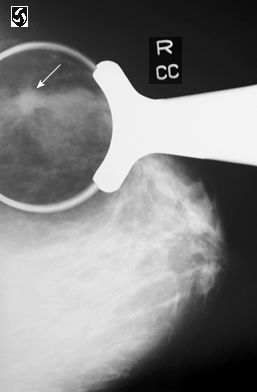
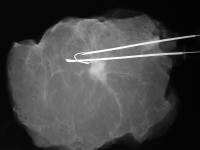
Left image: breast cancer in specimen radiograph with Homer needle in place, used to localize the lesion. Coutesy of Jeffrey Dach MD personal archives.

How Do We Know Provera (medroxyprogestroene) Caused the Increased Breast Cancer?
We know this because the NIH study included another group that was given Prempro minus the Provera.  These women had hysterectomies,  so did not need the progestin, Provera. They were given solely Premarin, the horse estrogen.  These Premarin treated women actually had reduced incidence of breast cancer compared to controls,  23% less, as matter of fact.  This is  discussed in my previous article, here.

How to Prevent Breast Cancer

1) Avoid Prempro- and all other synthetic hormone pills, xeno-estrogens, pesticides and chemicals that increase breast cancer rates.
2) Use Bio-Identical Hormones-these are naturally found in the human body and do not increase breast cancer rates or heart disease.
3) Use Iodine,  Vitamin D and Selenium supplementation.

Jeffrey Dach MD

Articles with related interest:
The Safety of Bioidentical Hormones
Bioidentical Hormone Videos - Radio Show- Jeffrey Dach MD
Bioidentical Hormones and Medical GhostWriting by Jeffrey Dach MD
Bioidentical Hormones Prevent and Reverse Osteoarthritis by Jeffrey Dach
The Importance of BioIdentical Hormones
Bioidentical Hormones, How to Wake Up From the Synthetic Hormone Nightmare
Are Bio-Identical Hormones Safe?
Bioidentical Hormones Reverse Aging New Harvard Study by Jeffrey Dach MD
Why Bioidentical Hormones Are Better Than Synthetic by Jeffrey Dach MD
BioIdentical Hormones Relieve Anxiety by Jeffrey Dach MD
Bioidentical Hormones Found Beneficial After Hysterectomy
Menopausal Arthritis and Bioidentical Hormones by Jeffrey Dach MD
The Evidence for Bioidentical Hormones by Jeffrey Dach MD

The Importance of BioIdentical Hormones by Jeffrey Dach MD

Links and References:

1) http://jnci.oxfordjournals.org/content/early/2013/03/29/jnci.djt092.full
Estrogen Plus Progestin and Breast Cancer Incidence and Mortality in the Women’s Health Initiative Observational Study by Rowan T. Chlebowski,   JoAnn E. Manson,   published March 29 in the Journal of the National Cancer Institute.  Affiliation of authors: Los Angeles Biomedical Research Institute at Harbor-UCLA Medical Center, Torrance, CA (RTC); Brigham and Women’s Hospital, Harvard Medical School, Boston, MA (JEM); Fred Hutchinson Cancer Research Center, Seattle, WA (GLA, CC, AKA, PAN); University of Pittsburgh, Pittsburgh, PA (JAC); Stanford University, Stanford, CA (MLS); State University of New York, Stony Brook, NY (DSL); University of Tennessee Health Science Center, Memphis, TN (KCJ); University at Buffalo, Buffalo, NY (JWW); University of California at Davis, Sacramento, CA (LQ, SY).
Background In the Women’s Health Initiative (WHI) randomized trial, estrogen plus progestin increased both breast cancer incidence and mortality. In contrast, most observational studies associate estrogen plus progestin with favorable prognosis breast cancers. To address differences, a cohort of WHI observational study participants with characteristics similar to the WHI clinical trial was studied.
Methods We identified 41, 449 postmenopausal women with no prior hysterectomy and mammogram negative within 2 years who were either not hormone users (n = 25 328) or estrogen and progestin users (n = 16 121). Multivariable-adjusted Cox proportional hazard regression was used to calculate hazard ratios (HRs) with 95% confidence intervals (CI). All statistical tests were two-sided.
Results After a mean of 11.3 (SD = 3.1) years, with 2236 breast cancers, incidence was higher in estrogen plus progestin users than in nonusers (0.60% vs 0.42%, annualized rate, respectively; HR = 1.55, 95% CI = 1.41 to 1.70, P < .001). Women initiating hormone therapy closer to menopause had higher breast cancer risk with linear diminishing influence as time from menopause increased (P < .001). Survival after breast cancer, measured from diagnosis, was similar in combined hormone therapy users and nonusers (HR = 1.03, 95% CI = 0.79 to 1.35). On a population basis, there were somewhat more deaths from breast cancer, measured from cohort entry (HR = 1.32, 95% CI = 0.90 to 1.93, P = .15), and more all-cause deaths after breast cancer (HR = 1.65, 95% CI = 1.29 to 2.12, P < .001) in estrogen plus progestin users than in nonusers.
Conclusions Consistent with WHI randomized trial findings, estrogen plus progestin use is associated with increased breast cancer incidence. Because prognosis after diagnosis on combined hormone therapy is similar to that of nonusers, increased breast cancer mortality can be expected.

2) http://www.myhealthnewsdaily.com/3678-hrt-breast-cancer-risk.html
Hormone Therapy May Raise Risk of Aggressive Breast Cancers
Mar 29, 2013 | 4:13 PM ET | Rachael Rettner, MyHealthNewsDaily Staff Writer
Women who undergo hormone-replacement therapy (HRT) to treat symptoms of menopause are at increased risk of developing all categories of breast cancer, a new study has found.  In the study, postmenopausal women on hormone replacement therapy that included both estrogen and progestin were 1.5 times more likely to develop breast cancer over an 11-year period compared with women not on the hormones.  HRT increased the risk of breast cancers that have a low risk of recurrence, such as estrogen-receptor-positive cancers, as well as the risk of more aggressive breast cancers, such as triple-negative breast cancer.   The findings back up the results of a study published last year that suggested HRT increased the risk of all categories of breast cancer. Before that study, doctors thought that HRT only increased the risk of less-serious cancers, said study researcher Dr. Rowan Chlebowski, of the Los Angeles Biomedical Research Institute.   The new findings lead to more of a consensus on the link between HRT and breast cancer, and suggest doctors should exercise even more caution when prescribing the treatment, Chlebowski said.
The decision to start HRT should be made on a case-by-case basis, Chlebowski said. Women should speak with their doctors about the risks and benefits of the therapy. The benefits will be greater for those with more severe symptoms of menopause, Chlebowski said.  The National Institutes of Health has stated that if women decide to receive HRT, they should take the lowest dose for the shortest amount of time, and be re-evaluated every six months to see if they still need the treatment.  Recently, several doctors groups said that for women under age 60, or for those who reached menopause within the past 10 years, the benefits of HRT generally outweigh the risks.  The link between HRT use and an increased risk of breast cancer was first seen in 2002, when a large study on the effects of estrogen and progestin therapy was suspended because researchers found the treatment increased the risk of invasive breast cancer..   The new study analyzed information from 41,000 postmenopausal women ages 50 to 79, about half of whom were taking HRT (estrogen plus progestin) at some point in the study, and half who were not on the therapy.  During the study period, about 2,200 women were diagnosed with invasive breast cancer. Among those who took HRT, 0.6 percent developed breast cancer each year, compared with 0.42 percent for those who weren’t on HRT.  Women's survival after a breast-cancer diagnosis was about the same for both groups. However, because more women who took HRT developed breast cancer, the findings suggest that the use of HRT may increase deaths from breast cancer in the population as a whole, the researchers said.  The findings support what doctors have already been doing to recognize the risk of breast cancer with HRT, said Dr. Erin Olson, an oncologist at Ohio State' s James Cancer Hospital who was not involved in the study.  In an editorial accompanying the study, Catherine Schairer and Louise Brinton, of the National Cancer Institute, said that the new study does not provide definitive evidence that HRT increases the risk of both low-risk and aggressive cancers. To answer this question, more studies will need to take into account the length of time the women are on the therapy.  The study was published in the March 29 issue of the Journal of the National Cancer Institute.

3) Phyllis J. Bronson, Ph.D.
Biochemical Consulting Company
Biochemical Research Foundation, Aspen
University of Denver: Department of Chemistry/Biochemistry
International Society for Orthomolecular Medicine

Jeffrey Dach MD
7450 Griffin Road, Suite 190
Davie, Fl 33314
954-792-4663
www.jeffreydach.com
www.drdach.com
www.naturalmedicine101.com
www.bioidenticalhormones101.com
www.truemedmd.com
www.bioidenticalmds.com
Click Here for: Dr Dach's Online Store for Pure Encapsulations Supplements
Click Here for: Dr Dach's Online Store for Nature's Sunshine Supplements
Web Sites and Discussion Board Links:
jdach1.typepad.com/blog/
disc.yourwebapps.com/Indices/244124.html
disc.yourwebapps.com/Indices/244066.html
disc.yourwebapps.com/Indices/244067.html
disc.yourwebapps.com/Indices/244161.html
disc.yourwebapps.com/Indices/244163.html
health-forums.1
health-forums.2

Disclaimer click here: www.drdach.com/wst_page20.html
The reader is advised to discuss the comments on these pages with his/her personal physicians and to only act upon the advice of his/her personal physician. Also note that concerning an answer which appears as an electronically posted question, I am NOT creating a physician -- patient relationship. Although identities will remain confidential as much as possible, as I can not control the media, I can not take responsibility for any breaches of confidentiality that may occur.

Link to this article:http://wp.me/p3gFbV-9S

Copyright (c) 2013 Jeffrey Dach MD All Rights Reserved. This article may be reproduced on the internet without permission, provided there is a link to this page and proper credit is given.
FAIR USE NOTICE: This site contains copyrighted material the use of which has not always been specifically authorized by the copyright owner. We are making such material available in our efforts to advance understanding of issues of significance. We believe this constitutes a 'fair use' of any such copyrighted material as provided for in section 107 of the US Copyright Law. In accordance with Title 17 U.S.C. Section 107, the material on this site is distributed without profit to those who have expressed a prior interest in receiving the included information for research and educational purposes.